Why Truly Wealthy is diving into Agency Building mode — And Why It’s About More Than Deals

Why Truly Wealthy is diving into Agency Building mode — And Why It’s About More Than Deals

As a real estate broker, people often ask me two questions:

Why do you want to build an agency? Why invite other people to become real estate agents like you?

The short answer is simple: because I love what I do.

But the longer answer—the real answer—is rooted in purpose.


Real Estate Is Never Just a Transaction

This profession has given our team a platform to help people in deeply meaningful ways—not just financially, but personally. Every transaction carries a story. Every deal represents a turning point in someone’s life. And being trusted with that moment is something I don’t take lightly.

Just before leaving town for a Christmas holiday with my family—a trip we had planned weeks in advance—I closed a deal on a residential property uptown. It felt like the perfect way to end the year, both personally and professionally.

My client initially wanted to buy a lot. But when I presented a house that was simply too good to pass up, she immediately recognized its value. She decided to purchase it for her daughter, who’s getting married next year.

Her daughter is at the beginning of her life—building a future, starting a family. And in some small but meaningful way, I get to be part of that story. I get to help provide the home where that life will unfold.

At the same time, the seller herself is based abroad and preparing to liquidate her assets here in the Philippines. By helping her sell, I’ve also helped her step into a new chapter—one where she can build a life in another country without the burden of maintaining property back home.

Real estate isn’t just about buying and selling. It’s about people. It’s about transitions. It’s about beginnings—and letting go.

A home may be a basic need. But helping someone secure it is a privilege.


Deals Are Happening—Just Not Through You

Even if you’re doing well in other areas of life right now, you may have noticed something about real estate: deals are happening around you—but not through you.

You probably have a friend, a cousin, a brother, or a sister looking for a home. And if you’re not in the industry, what do you usually do?

You refer them to a real estate agent and hope for the best.

So let me ask you a simple question:

Why not you?

When you’re in real estate, you’re not just referring people—you’re taking responsibility. You’re at the helm. You know your family. You know your friends. You understand their lifestyle, their priorities, their budget. You know what they actually need—not just what’s being sold.

And here’s the truth most people don’t realize:

The commission is just the bonus.


The Real Power of Being in Real Estate

What’s truly powerful about real estate is everything beyond the commission.

You build a network. You become a deal maker. You become a wealth allocator.

You gain access to opportunities before they become public knowledge—simply because you’re inside the ecosystem.

Two of the properties we personally invested in were foreclosed assets: one was a house in a premium subdivision, and the other was a residential lot. Both were acquired well below market value.

We only knew about these opportunities because we were in the industry—we were first to know.

That’s the advantage of being in real estate.


Why We are Building Truly Wealthy Realty

And that brings me to the reason we’re building Truly Wealthy Realty.

We don’t just recruit agents. We partner with people.

We aim to create a platform where more agents get to experience this kind of purpose—where we don’t just close deals, but become part of people’s lives, their milestones, their stories.

Truly Wealthy Realty exists to be a platform for building wealth and influence over the long term. A place where you don’t just earn from transactions—but grow through access, relationships, and shared opportunities.

If deals are already happening around you, maybe it’s time they started happening through you.

And if this resonates— then maybe this journey is for you.

Because this work is meaningful. And that is worth building.

Consistency Is Terrifyingly Hard to Beat (And That’s Exactly Why It Works)

This morning, I woke up at 5:00 a.m. to get ready for CrossFit.

It was still dark. The rain was pouring like crazy. And for a brief moment, my mind gave me the most tempting idea:

"Cancel the class. Snuggle back into bed. Sleep more."

Honestly? That warm bed felt like the correct decision. But then a deeper thought hit:

If I cancel just because it’s raining… what precedent am I setting for myself when life gets harder?

Because if I train only when it’s convenient, then I’m not training discipline. I’m training comfort. So even though I didn’t feel like going — I chose to stick to the schedule. And I showed up.

The Workout Was Hard… But the Real Victory Happened Before It Started

The workout was a 20-minute EMOM:

  • Toes-to-bar
  • Push-ups
  • Dumbbell snatch
  • Wall balls

It wasn’t "fun" in the soft way. It was the kind of work that makes you breathe heavy and question your life choices. But when I finished, I felt something deeper than hype. I felt proud. Not because the workout was impressive…but because in that exact moment where I wanted to quit —I didn’t.

And as I drove home, I realized something: That’s how most success is built.

Not through motivation. But through showing up, especially when motivation is missing.

The Truth About Winning: It’s Mostly Boring

A lot of people start strong.

They get excited. They post about it. They buy the gear. They set the goals. They feel unstoppable.

But then comes the part nobody likes: The plateau. The repetition. The slow results. The days where nothing feels like it’s changing. And that’s when most people stop. Not because they can’t do it…but because it stops feeling exciting.

Here’s the truth: Success is not built in exciting seasons. It’s built in repetitive seasons.

Consistency Is a Superpower Because Most People Can’t Handle It

Consistency is terrifyingly hard to beat for one reason:

It doesn’t require talent. It doesn’t require genius. It doesn’t require luck.

It only requires something rare:

Discipline.

And discipline is something most people don’t practice long enough to benefit from. Everyone loves the idea of results. But few people love the daily routine required to earn them. That’s why consistency wins. Because it’s not flashy. It’s not loud. It’s not viral.

But it is unstoppable.

The Months and Years Are Where Real Pride Comes From

Here’s something I’ve noticed in my own life: The moments when I have to stay consistent for months and years…Those are the moments when I feel like I’m truly accomplishing something — even if no one else can see it yet.

Because when you choose to stay consistent long-term, you’re doing more than completing a task: You’re building your identity.

You’re becoming someone who can be trusted by: yourself, your family, your clients, your team, your future. And that quiet feeling of progress — improving just a little bit each time — is powerful. Not because it looks impressive today but because it compounds.

Small improvements repeated for years create unstoppable momentum.

Most People Quit the Moment It’s Uncomfortable

I already know something that gives me confidence: Not many people will do this.

The majority will give up at the slightest discomfort. They quit when it’s no longer fun, it becomes repetitive, it becomes a hassle, results take too long or when it’s inconvenient. People love to say they want success but they don’t want the schedule that success demands.

If there’s a little rain, they won’t go to the gym. If they feel sleepy, they won’t follow up. If they don’t feel like doing it, they won’t respond to a client.

And that’s the difference.

Because success is not built on days where everything feels easy. Success is built on days that feel like:

  • "I’m tired."
  • "I don’t want to."
  • "It’s raining."
  • "I’m not in the mood."
  • "Maybe tomorrow."

Those are the moments where your future is decided.

This Is Where It Counts… And Only 1% Choose It

This is when it counts. Not when it’s exciting. Not when it’s convenient. Not when it’s easy. But when it’s uncomfortable, boring, and repetitive. That’s the gap between ordinary and extraordinary.

Only 1% will choose to show up anyway. Only 1% will train even when it’s raining. Only 1% will do the follow-up even when they’re sleepy. Only 1% will keep building even when it’s not fun anymore.

And that 1% will win. Not because they were more talented but because they didn’t stop.

This Is Exactly What We’re Doing While Scaling Truly Wealthy Realty

Right now, as we continue building and scaling Truly Wealthy Realty, I’m seeing this lesson in real time. Because growing a business isn’t always exciting.

A lot of what we do is repetitive:

  • weekly meetings with the executive team
  • weekly trainings
  • unit huddles
  • meeting agents
  • meeting the team
  • showing up again and again

Not every day feels fun. Not every meeting feels inspiring. Sometimes you’ll feel like doing it. Sometimes you won’t. But I’ve accepted something important:

Repetition is not punishment. Repetition is the path.

That’s what separates those who try from those who win.

The Days You Don’t Feel Like It Are the Days That Matter Most

This mindset changed everything for me: When you feel motivated, showing up is easy. But when you don’t feel like it? That’s when showing up becomes a statement.

That’s when you are telling yourself:

  • "I do what I said I’ll do."
  • "I don’t negotiate with comfort."
  • "I don’t depend on feelings to move forward."

Because feelings are unreliable. Some days you’ll feel unstoppable. Some days you’ll feel like quitting. But your schedule? Your discipline? Your standards? Those are reliable.

Choose the Hard Things, and Success Will Take Care of Itself

The most powerful decision you can make is this: Choose consistency over convenience.

Because convenience creates weak habits. But consistency creates strong identity. And once your identity becomes: "I’m someone who shows up no matter what"…you become a different person.

A person that can’t be stopped easily. A person who can be trusted. A person who wins.

Not because life became easier but because you became stronger. You don’t need to be perfect. You don’t need to be extreme. You don’t need to be inspired every day. You just need to keep showing up.

Because consistency is terrifyingly hard to beat. And if you stay consistent long enough…

Success won’t be a question. It will be inevitable.

5-step Due Diligence Guide When Buying a Resale Property in the Philippines

Buying a resale property—whether it’s a house, condo, or townhouse—can be one of the smartest ways to invest in Philippine real estate. With resale properties, what you see is what you get, making it easier to assess the property’s condition and value. However, before handing over your hard-earned money, it’s crucial to conduct proper due diligence. This step is primarily the buyer’s responsibility, as you are the one making the purchase. But as your broker, I will be helping you and guiding you thru this process.

Due diligence is not about mistrust—it’s about protecting yourself. It ensures that the property is free from legal or financial issues, that its boundaries and title are correct, and that the transaction proceeds smoothly. Taking this precaution helps you avoid costly surprises and gives you peace of mind that your investment is secure. As a buyer you should never skip this process — it’s the foundation of a stress-free transaction.

I’ve been a real estate broker for over a decade and have helped hundreds of clients invest in property all over the Philippines. We have a Due Diligence checklist you can refer to, message me on whatsapp if you want a copy. If you have any questions, contact me for an online consultation.

Today, I’ll be sharing with you a practical 5 step guide on how to do due diligence when buying resale property in the Philippines.

1. Verify the Seller’s Identity and Ownership

The very first step in doing due diligence for a resale property is to make sure that the person selling the property actually owns it — or has the proper authority to sell it. This may sound obvious, but many buyers skip this step and end up dealing with unauthorized sellers, fake documents, or even properties with multiple claimants. Ask for a valid government ID and compare it with the name on the Transfer Certificate of Title (TCT) – for house or lot or Condominium Certificate of Title (CCT) for condos.

  • Is the seller an individual or a company? If named under a company, is it vatable? If its a company regularly engaged in real estate and is vatable, you will need to shoulder VAT 12% instead of CGT 6%.

·       If the seller is a business owner, it’s important to verify whether they have any ongoing legal or tax-related cases. The Bureau of Internal Revenue (BIR) now requires that any open cases be resolved before they release the eCAR (Electronic Certificate Authorizing Registration) under the buyer’s name. Failing to check this could delay the transfer of the property

  • If the property is being sold on behalf of someone else, request a Special Power of Attorney (SPA) authorizing them to sell.
  • For deceased owners, check that the extrajudicial settlement and heirship documents are in order.
  • The spelling should match exactly. Even minor differences (like missing middle initials or suffixes such as Jr./Sr.) should be clarified and corrected through supporting documents.
  • If the seller is married, both spouses should also sign the deed of sale even if the title is only named under one spouse. This is why for married sellers, we should also request for their marriage certificate to verify the name of their spouse.

·       If the property was inherited exclusively by the wife (meaning it was part of her inheritance and not conjugal property), then technically the property is her exclusive property under Article 92(1) of the Family Code, which states that properties acquired by gratuitous title (like inheritance) by one spouse remain exclusive. However even if it’s her exclusive property, the husband’s signature is still usually required in the Deed of Sale, not because he owns the property, but to show spousal consent.

Best practice: Always have both spouses sign to avoid any question of validity or registry issues later.

2. Check the Title and other property documents

Here are the documents you will need to request during due diligence. For the transactions we handle, our team usually takes care of this on behalf of the buyer. Requesting these documents typically costs around ₱1,000–₱1,500 per title, as you need to pay fees to both the Registry of Deeds (ROD) and the City Hall to obtain certified true copies. Handling this properly ensures that all necessary documents are in order before proceeding with the purchase.

ROD:

Certified true copy title

CITY HALL

CTC tax dec lot

CTC tax dec bldg (if house/condo/bldg)

Certificate of latest and existing

Certificate of no improvement (lot only)

Tax clearance for the year

Other documents:

Verified TIN of Seller and Buyer (BIR)

Marriage contract

Why should you request for a CTC at ROD vs checking the title on hand with the seller?

The owner’s copy might not reflect the latest updates or annotations. When you secure a CTC, you see the most recent record from the ROD, including:

·       Any transfers of ownership that have been recently registered or whether the title has been cancelled or replaced by a newer one

·       Annotations usually on the 2nd page of the title

Common annotations include:

· Mortgages – indicate that the property is pledged as collateral to a bank or lender.

· Liens – show that there’s a financial claim or obligation tied to the property.

· Adverse Claims – filed when another party asserts an interest or ownership right.

· Notices of Levy or Court Orders – signal legal disputes, unpaid taxes, or foreclosure proceedings.

If you find any of these annotations, do not proceed immediately with the purchase. Always request the official documents that clear these encumbrances.

·       For mortgaged properties, request for a Cancellation of Mortgage from the bank.

·       A Release of Lien or Affidavit of Waiver of Adverse Claim from the concerned party.

·       A Court Order of Cancellation if the encumbrance resulted from a legal case.

Verify the tax declaration and confirm that it matches the same property on the title. There are times when only the title is transferred while the tax declaration is still under the previous owner. So this will need to be updated.

The tax clearance will also show that the real property tax (amilyar) has been update for the year. Any unpaid amilyar becomes the buyer’s liability after transfer, so it’s crucial to settle this before closing the sale.

3. Check Utility Accounts and HOA dues

Other things to check are:

Condo/HOA dues latest OR (for properties in subdivisions/condos)

Lot plan

Utilities Latest OR (for house and lot)

⁃            electricity

⁃            water

⁃            internet

Management certificate (for condos)

Lot Plan

Zoning certificate (for properties outside of subdivisions)

A clean property also means no unpaid dues. For properties in subdivisions or condominiums, request for a Statement of Account or Dues Clearance Certificate from the HOA or condo admin. This will confirm if monthly dues have been paid. If the property is inside a condominium, ask for a Management Certificate indicating that there are no unpaid dues or pending violations. A "clean" property means there are no arrears that could delay the issuance of a move-in permit or clearance for transfer. We also request for the latest official receipt for electricity, water and internet if applicable to ensure that all utilities are updated and fully settled.

For properties located outside of subdivisions, particularly industrial or commercial properties, obtaining a Zoning Certificate is essential. This certificate verifies the property’s zoning classification (e.g., Residential, Commercial, Industrial) and outlines what activities, developments, or structures are legally permitted on that land.

A Zoning Certificate is crucial to ensure that the property can be used for its intended purpose. For example, in a recent transaction I handled involving an industrial property currently operating as a warehouse, the buyer requested a Zoning Certificate to confirm whether the property’s classification matches its current use.

4. Conduct a Physical Inspection

Even if the documents are clean, the property itself could reveal major issues.

For houses or commercial buildings, inspect the structure, roof, plumbing, electrical, and drainage systems. You can bring a contractor or architect, a professional, who can help you check and estimate the cost of necessary repairs. Look for signs of flooding, cracks, or foundation problems.

As part of due diligence, it’s highly recommended to hire a geodetic engineer to inspect the property and verify its boundaries. A geodetic engineer is a licensed professional trained in accurately surveying and mapping land. Their assessment ensures that the property’s actual physical boundaries match what is indicated in the Title or Lot Plan. If it’s a lot located inside a subdivision, you request to have the developers engineering team to stake the boundaries of the property.

Knowing the precise area of the property is essential to ensure that you’re paying—or receiving—the property based on its true size. A geodetic engineer can also identify any encroachments or discrepancies, which can prevent costly disputes in the future.

For example, in a recent industrial property transaction I handled, the buyers had the property surveyed by a geodetic engineer. The survey revealed that the fences constructed by the seller did not align with the actual property boundaries—they were built inside the property, resulting in a loss of around 53 sqm. The resolution was straightforward: the boundaries were properly outlined on the property to reflect the correct measurements, ensuring both parties were aligned before finalizing the deal.

In another deal I handled, the buyer requested that the developer stake the lot boundaries. During this process, we discovered that the neighbor had encroached on about 20 sqm of the property. We attempted to contact the neighbor to resolve the issue, but the house beside the property was vacant, so we couldn’t reach anyone. In the end, the buyer decided to proceed with the purchase but deducted the value of the 20 sqm from the total price to account for the encroachment. This case highlights why verifying property boundaries before completing a transaction is so important—it can prevent unexpected losses or disputes later on.

5. Review the Deed of Sale and Negotiation Terms

Once you’re ready to move forward with a property transaction, it’s crucial to carefully review the Deed of Sale and any other pertinent documents. These documents should clearly identify the property, specify the selling price, and outline the payment terms.

In our process, once the buyer and the seller has finalized the price and terms, I have them sign an Accepted Offer document. This document serves as a written record of the final agreed-upon terms and includes:

·       The final selling price

·       Payment schedule or terms

·       A detailed computation of taxes and fees, indicating who is responsible for each (e.g., Capital Gains Tax, Documentary Stamp Tax, registration fees)

Having the terms documented and signed by both parties is essential. It provides clarity, reduces the risk of misunderstandings, and serves as a reference if any questions or disputes arise later.

In Cagayan de Oro (CDO), the common practice is for sellers to quote a net selling price, with buyers typically shouldering all transfer taxes and fees, including the Capital Gains Tax, Documentary Stamp Tax, and registration fees. However, this is not a fixed rule—every deal is unique, and the responsibilities can be negotiated based on the agreement of both parties.

6. Set a Closing Date

Once all the documents are ready and the property has been thoroughly checked, the final step is to set a closing date. This date is agreed upon by the buyer, seller, attorney, and processor.

During the closing:

·       The lawyer facilitates the process and notarizes the necessary documents.

·       The processor receives the documents and immediately begins the transfer of ownership with the Registry of Deeds. Skipping this part means the property remains under the seller’s name — which could cause issues when you decide to sell later.

It’s crucial to pay the required taxes on time, as the BIR imposes penalties for late payments:

· Capital Gains Tax (CGT): Due within 30 days from notarization of the Deed of Sale.

· Documentary Stamp Tax (DST): Due by the 5th of the following month after notarization.

BIR Penalties for Late Payment:

· Surcharge: 25% of the unpaid tax

· Interest: 20% per annum on the unpaid amount, computed from the original due date until full payment is made

Paying taxes promptly ensures a smooth transfer of ownership and avoids unnecessary additional costs.

Doing due diligence when buying a resale property in the Philippines isn’t complicated — it just requires patience, verification, and the guidance from the right broker. Here at Truly Wealthy Realty, we have a team of Elite agents to guide our clients during every step of the process to ensure that they’re buying from the rightful owner, the property is free from legal issues and you can enjoy peace mind knowing your investment is secure.

If you’re ready to start your property search or want a Due Diligence checklist, feel free to message me on WhatsApp or schedule an online consultation. Together, we can make sure your next real estate investment is safe, smart, and worry-free.

Book a viewing or consultation:

📲WhatsApp +63 917 851 2752 📩 Email [email protected]

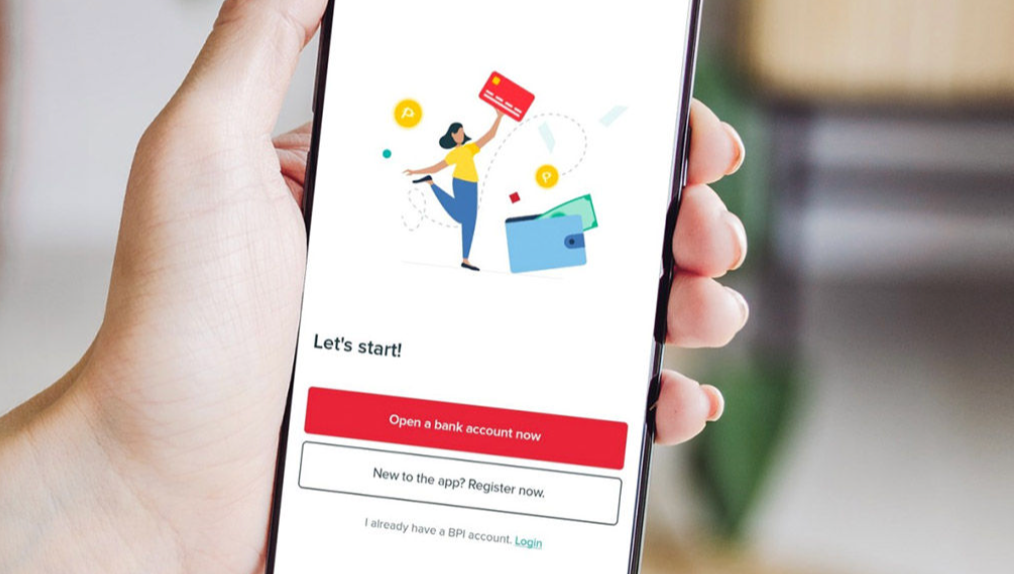
How to Open a BPI Account Online and Enroll in Auto-Debit: A Complete Guide for OFWs

For Overseas Filipino Workers (OFWs), managing finances back home can be challenging. Between long work hours, time zone differences, and limited access to Philippine bank branches, it’s essential to have a convenient and reliable way to handle money.

Good news: you can now open a BPI (Bank of the Philippine Islands) account completely online — no branch visit required. You can also set up auto-debit arrangements to automatically pay bills, loans, or investments.

This step-by-step guide will help OFWs open a BPI account from anywhere in the world and enroll it in auto-debit for worry-free financial management.

Plus, for OFWs buying property in the Philippines, once your account is set up, you can easily pay your monthly down payments via ADA (Auto-Debit Arrangement). This eliminates the need to open a checking account — which is often difficult to do if you’re based abroad and have no immediate plans to return home. It also removes the hassle of using a relative’s checking account, where you have limited visibility and control.

My husband and I use BPI as our main bank, and we’ve used the ADA feature to pay for the mortgage on one of our property investments. It’s been seamless, convenient, and stress-free.

Why BPI Is a Great Choice for OFWs

BPI has been one of the most trusted banks in the Philippines for generations. Here’s why OFWs prefer BPI:

  • Fast online account opening
  • Accessible mobile app from anywhere
  • Easy remittance linking
  • Auto-debit for bills and investments
  • Strong security features

STEP 1: Download the BPI App

Available on both iOS and Android, the BPI Mobile App allows you to open an account in minutes.

Download Links:

  • Google Play – search "BPI Mobile"
  • Apple App Store – search "BPI Mobile"

STEP 2: Choose "Create a Bank Account"

Once the app is installed:

  1. Open the BPI app
  2. Tap "Create a bank account"
  3. Select "Open a deposit account"

BPI currently allows online opening for the following accounts:

  • BPI Regular Savings Account (with or without debit card)
  • BPI #SaveUp Digital Savings
  • BPI e-Savings

Tip for OFWs: Choose an account that allows easy online access and has minimal maintaining balance.

STEP 3: Prepare Your Requirements

You’ll need to upload the following:

  • Valid Philippine ID (e.g., Passport, UMID, National ID, Driver’s License)
  • A selfie for identity verification
  • Philippine mobile number
  • Philippine address (can be your home address)

STEP 4: Complete the Online Application

Fill out the form with your:

  • Full name
  • Birthdate
  • Address
  • Email
  • Contact number

Then, take a live selfie and upload your ID. BPI will validate your identity in a few minutes.

STEP 5: Fund Your Account

After approval, you must initially fund your account. You can do this through:

  • GCash
  • Maya
  • Online bank transfer
  • Remittance partners abroad
  • Cash deposit at a BPI branch (if someone deposits for you)

Your account becomes fully active once funded.

STEP 6: Enroll in Auto-Debit Arrangement (ADA)

This is useful for:

  • Real estate amortization
  • Car or personal loans
  • Insurance premiums
  • Monthly investments (UITF, BPI Invest)
  • Utility bills (Meralco, Globe, etc.)

How to Enroll in Auto-Debit

Most developers and loan providers follow this process:

Option A: Enrollment via Partner Company (Most Common for Real Estate)

  1. Ask your developer (e.g., Ayala Land, Camella, A Brown, etc.) for their Auto-Debit Enrollment Form.
  2. Fill it out with your BPI account number.
  3. Sign the form and send it back to the developer/billing department.
  4. They will submit it to BPI.
  5. Wait for 5–10 banking days for activation.

Option B: Enrollment via BPI Branch (If required)

For some lenders or billers, a manual enrollment at any BPI branch may still be needed. For OFW’s you can simply have your representative hand carry your signed ADA form and submit it at the bank.

You (or your representative) will present:

  • Auto-Debit form
  • Valid ID
  • BPI account number

STEP 7: Monitor Your Auto-Debit in the BPI App

Once activated:

  1. Open the BPI App
  2. Go to "Other Services"
  3. Check your Scheduled Payments or transaction history

Your scheduled amount will automatically be deducted each month — no need to worry about forgetting payments while abroad. Just make sure that your account is funded to avoid penalties.

Tips for OFWs Using Auto-Debit

  • 🔐 Always maintain balance before the due date
  • 📆 Set reminders on your phone 3 days before auto-debit
  • 📩 Check notifications — BPI alerts you if deduction succeeds or fails
  • 🧾 Keep digital copies of receipts and confirmation messages
  • 💸 Encourage family to deposit to your BPI account if funds are low

Why Auto-Debit Is Helpful for OFWs

  • Ensures on-time payments
  • Avoids penalties and interest
  • Reduces stress and manual monitoring
  • Perfect for real estate amortizations
  • Lets you focus on work abroad while finances run smoothly

Opening a BPI account online and enrolling in auto-debit gives OFWs complete financial control—wherever they are in the world.

Ready to buy property in the Philippines?

If you’re an OFW planning to invest in real estate and want a smooth, automatic way to manage your monthly payments, I can guide you through the entire process—from choosing the right property to setting up ADA for hassle-free payment.

📩 Message me anytime for assistance or property recommendations. Let’s make your investment journey simple, secure, and stress-free.


Preselling vs. RFO: Which Should New Real Estate Agents Focus On?

If you’re a new real estate agent in the Philippines, one of the first questions you’ll face is this:

"Should I focus on preselling units or RFO (Ready for Occupancy) properties?"

Both can be profitable. Both can build your career. But they fit different types of agents—and knowing which path to start with can save you months of frustration and lost income.

Here’s a simple, clear breakdown to help you choose.

Preselling: The Best Starting Point for Most New Agents

Preselling is often the easiest entry point for beginners, and here’s why:

1. Easier to Sell Because It’s More Affordable

Preselling offers:

  • Lower down payments
  • Stretched terms
  • Early-buyer discounts
  • Flexible promos

Most Filipino buyers—especially young families and OFWs—are budget-conscious. Preselling fits their financial capability, making it easier to convince them to reserve a unit.

Buyers only need to pay a reservation fee, which is manageable for most people, and the down payment (10–20%) is payable in monthly installments. Because preselling carries minimal financial exposure, buyers can make decisions faster.

2. Developers Provide Strong Marketing Support

One of the biggest advantages of selling preselling units is the massive marketing support that developers provide. This is a huge benefit for new agents who may not yet have the skills, resources, or budget to create high-quality marketing materials on their own.

When you work with reputable developers, you instantly gain access to:

·       Professionally designed brochures and flyers

·       High-quality videos and virtual tours

·       Fully furnished and "Instagrammable" model units

·       Regular webinars and Zoom presentations for client pitching

·       Ready-to-use digital ads, social graphics, and content kits

These tools make it so much easier to present the project to your clients—even if you’re new and still building confidence. Instead of starting from zero, you can leverage the branding, reputation, and polished materials that developers have already created.

Model units are one of the strongest selling tools in preselling. Developers invest millions in furnishing and designing these units to show buyers what their future home can look like.

For new agents, this is a huge advantage:

·       You don’t need to stage or prepare anything

·       Buyers can visualize the space immediately

·       It helps clients overcome hesitations about buying a unit that isn’t built yet

Model units turn imagination into reality—which dramatically increases your chances of closing the sale.

Promos are a game-changer in preselling. Developers frequently launch various promos such as:

·       Spot cash discounts

·       Low reservation fees

·       Extended DP terms

·       Waived move-in fees

·       Lower monthly amortizations

·       Appliances or furnishings as freebies

As an agent, you can use these promos to encourage hesitant buyers to move forward. Instead of convincing the client purely with words, you can show them real, tangible benefits that make the decision easier.

These incentives help build urgency, which is especially useful for new agents who are still learning how to handle objections and close deals.

3. You Build Your Pipeline for Future Income

One of the biggest long-term advantages of selling preselling units is the ability to build a pipeline—a steady flow of commissions that you’ll receive months or years from now.

Unlike RFO transactions, where commissions come quickly but inconsistently, preselling commissions are released once the project reaches certain milestones. Because developers typically turn over units within 2 to 5 years, the income doesn’t arrive immediately—but it does arrive. The pre-selling deals I’ve closed in 3-5 years ago, I’m now getting the commission for in tranches. So funds now keep coming in on a regularly basis.

Think of preselling as planting seeds.

Every time you close a sale today, you’re planting a seed that will grow into a future payout. If you close consistently—say, a few sales every month—then over time, those "future commissions" begin to overlap.

After a year or two, this overlapping effect turns into:

·       Steady monthly commission releases

·       Predictable cash flow

·       Long-term income stability

·       A stronger financial foundation for your real estate career

This is why many top brokers still continue selling preselling units even after they’ve become successful. They understand that pipeline income is the backbone of a sustainable real estate business.

This is how many top performers build their careers. Most of the industry’s top-producing agents didn’t become successful because of one big sale—they became successful because they consistently closed preselling projects that eventually created a continuous stream of income. Like most things in life, consistency is the key to long term success.

But Keep in Mind: It Takes Patience and Commitment.

Preselling also comes with its realities:

· Commissions are deferred. You might wait 2 to 5 years before receiving full payouts.

· Follow-up is essential. You must stay connected with clients throughout the entire construction period—especially during financing and turnover. This is where Nurture Your Leads (nurtureyourleads.com) come in. This is an online sales assistance to help you follow up, nurture and close deals.

· Buyers need nurturing. Long DP schedules mean clients may have concerns, questions, or financial issues along the way.

Pre-selling is Best for: ✔ Agents who can wait for commissions ✔ Beginners building skills ✔ Part-timers or full-timers who can handle long-term nurturing

RFO: The Fastest Way to Earn, But Harder for Beginners

RFO (Ready for Occupancy) units are properties that are fully constructed, inspected, and ready to be moved into. They attract a very specific type of buyer—families who need a home immediately, OFWs returning to the country, and investors looking for units they can rent out right away.

Because the need is urgent, the opportunity is huge. But the challenge is equally big, especially for new agents.

1.    Faster Commission Payouts

One of the biggest advantages of selling RFO units is the speed of commission release. Unlike preselling, where commissions are given slowly over the course of the buyer’s down payment period—sometimes taking 2 to 5 years—RFO commissions are tied directly to full payment. Once the property is fully paid and ownership is ready to be transferred, the broker’s fee can be released.

For cash buyers, commission is released within right after closing since the buyer has already fully paid the seller.

For bank-financed RFO, the commission is released in tranches. The first release is upon down payment of the buyer and the second tranch is upon release of loan proceeds to the seller. So there is a bit of a waiting time to get the full commission, depending on how long it takes to transfer the title. Since the bank will release the loan, once transferred title is submitted to the bank.

This makes RFO highly attractive for agents who need faster cash flow, especially those relying solely on real estate as their income source since you don’t have to wait for years to get your full commission.

In short: Preselling = slow but stable RFO = fast but harder to close

2.    More technical and harder to close compared to Pre-selling

While RFO offers the advantage of quicker commission releases, it also demands more skill, deeper knowledge, and stronger confidence from an agent. Compared to preselling—where the developer handles almost everything—RFO requires the agent to take on a more hands-on, technical role.

a. You Handle the Full Due Diligence Process

In RFO transactions, the agent cannot rely on the developer’s sales admin team to process documents. Instead, you need to personally ensure that everything is in order before the sale moves forward. This includes:

·       Inspecting the condition of the property

·       Checking for repairs, issues, or discrepancies

·       Verifying ownership documents (Title, Tax Dec, Tax Clearance, IDs)

·       Ensuring that the seller is the true, legal owner

·       Confirming the unit is free from liens, encumbrances, unpaid dues, or arrears

·       Coordinating with homeowners associations or the property admin

·       Making sure all signatures, documents, and IDs are complete and valid

This level of responsibility can be overwhelming for new agents who are still unfamiliar with the technical side of real estate transactions.

b. You Must Coordinate Between Buyer and Seller

Unlike preselling—where you mainly deal with the developer—RFO requires you to serve as the bridge between two parties:

·       The buyer, with their expectations, timelines, and budget

·       The seller, with their demands, limitations, and desired selling price

This means the agent must have:

·       Strong interpersonal skills

·       Clear communication

·       Firm but respectful negotiation ability

·       Patience and problem-solving skills

Agents often need to mediate when disagreements arise over pricing, repairs, inclusions, turnover timelines, and document completeness.

c. Negotiation Is More Complex

In preselling, the price is fixed. In RFO, everything is negotiable—price, terms, repairs, inclusions, move-in dates.

This puts pressure on the agent to:

·       Justify the value of the property

·       Manage both parties’ expectations

·       Find a win–win agreement

·       Ensure neither side feels shortchanged

·       Keep the deal alive even when compromises are needed

New agents often struggle here because they don’t yet have the experience or confidence to handle tough negotiations.

d. Closing an RFO Deal Still Takes Time

Many think RFO is "fast" just because the unit is ready. In reality, RFO deals can still take months before closing—especially when:

·       The buyer has a very specific requirement

·       The seller is unavailable or abroad

·       Documents are incomplete

·       Repairs need to be completed before turnover

·       Bank financing is involved

·       Appraisal issues arise

·       Both parties negotiate multiple times

For example, one of my recent RFO transactions took 7 months to close. I had to search for the right property, negotiate the price and terms, help the buyer process the bank loan, assist with due diligence and coordinate turnover

Even though the unit was ready, the entire process still required time, patience, and expertise.

RFO is fast—but only if the agent has the technical knowledge and hands-on skills to execute the transaction smoothly. It requires more responsibility, more communication, and more problem-solving compared to preselling.

This is why RFO is often better suited for more experienced agents, or for beginners who have strong mentors to guide them.

So, Which Should You Focus On?

If you’re brand new:

Start with PRESSELLING.

It’s easier, more forgiving, and builds your pipeline—your long-term income engine.

Once you gain confidence:

Add RFO to your portfolio.

That’s how you stabilize your career: Pipeline income (Preselling) + Fast income (RFO).

This combination is what ultimately leads to consistent closings, higher earnings, and a sustainable real estate career.

New agents don’t win by being the most experienced. They win by being the most consistent.

Ready to Build a Successful Real Estate Career? Join Truly Wealthy Realty.

Whether you want to master preselling, learn RFO transactions, or build a long-term career with stable income, you don’t have to do it alone.

At Truly Wealthy Realty, we guide new agents step-by-step through the entire real estate process—with real mentorship, real training, and real results.

When you join Truly Wealthy Realty, you get:

Hands-on coaching from experienced brokers

Regular trainings designed for to create Elite Agents

Marketing support—content kits, presentations, and templates

Tools like Nutureyourleads.com to help you track your leads and deals

Developer accreditation with top projects nationwide

A supportive culture focused on growth and excellence

One-on-one guidance for your first few closings

A community that genuinely wants you to succeed

Whether you’re just starting or looking to level up, Truly Wealthy Realty gives you the tools, training, and environment to thrive.

If you’re ready to grow, earn, and build a long-term career in real estate, send us a message and apply to become a Truly Wealthy Realty agent today.

Contact me: 📲WhatsApp +63 917 851 2752 or 📩 Email [email protected]

Unlocking Your First Million in Real Estate: The Path to Success

Every successful real estate agent starts with a dream — to close that first big deal, to earn that first million, and to finally prove that all the effort, late nights, and rejections were worth it.

But success doesn’t happen by accident. It’s built intentionally — through mindset, discipline, and the willingness to grow. There are 3 things that make successful people, successful.

1. The Hunger to Succeed

Every great achievement starts with hunger — that deep, internal drive to do more and be more. Hunger fuels resourcefulness, and resourcefulness builds persistence. People who are hungry don’t stop once they encounter resistance. They keep pushing forward. Successful people do not just what’s convenient but they do what is necessary.

Success requires commitment. You can’t half-commit to greatness. Winners don’t keep a backup plan — they burn the boat and focus on moving forward. When challenges come (and they will), successful people don’t stop. They find a way through.

Ask yourself:

On a scale of 1 to 10, how hungry are you to succeed in real estate?

When you’re hungry enough, you stop making excuses and start finding ways. You attend trainings, call more leads, and learn from every "no."

2. Model Proven Practices

Stop trying to reinvent the wheel. Someone has already achieved what you’re aiming for — find them, learn from them, and model what works.

Ask yourself:

Who has already made a million pesos as a real estate agent? Who are the agents closing millions consistently every month?

Study their habits, scripts, systems, and work ethic. In order to copy their results — copy their process.

When I was a new agent, I made it a point to learn directly from those who were already achieving the kind of success I wanted. I would ask top-performing agents about their daily routines, their marketing strategies, how they handled clients, what strategies they used to close deals, and what kept them motivated even when sales were slow.

I realized there’s no single "secret" to success — but there are patterns. Successful agents consistently show up, track their numbers, follow up with leads, and keep improving their pitch. They have systems in place that make their business predictable and scalable.

At one point, I even invested ₱25,000 in a sales course by Ryan Serhant, one of the world’s top real estate brokers. It was a big investment at the time, but it taught me the value of continuous learning and the importance of surrounding yourself — even virtually — with people who are operating at a higher level.

It’s important to remember that success leaves clues. You don’t need to reinvent the wheel — you just need to observe, adapt, and apply. The more you study and model proven systems, the faster you’ll find your own rhythm and build confidence in your unique selling style.

3. Improve Through Iteration

Success isn’t about perfection; it’s about progress.

In real estate — just like in any business — you don’t need to get everything right the first time. What truly matters is that you keep moving forward, learning from every experience, and adjusting your approach along the way.

That’s why it’s crucial to follow this formula:

Imitate → Iterate → Innovate (And always in this order — not the other way around.)

When you’re starting out, don’t overthink or try to "create your own way" right away. Remember, someone has already done what you want to do. Begin by imitating what already works. Watch how top agents handle clients, how they present properties, and how they close deals. Mimic their tone, their process, and their consistency — that’s your foundation.

Next, iterate. As you gain experience, start refining those actions. Maybe a certain script feels unnatural, or a follow-up technique works better for you — adjust it. Every client meeting, every negotiation, and even every rejection teaches you something valuable. Each interaction is an opportunity to sharpen your skills. Repeat what works, fix what doesn’t, and keep evolving. This is where you personalize what you’ve learned.

Then comes innovation. Once you’ve mastered the basics, that’s when you can experiment, add your unique touch, and create systems that fit your style. Innovation only works when it’s built on top of proven principles.Remember, the goal isn’t to be perfect — it’s to be better than yesterday. Consistency compounds. And over time, these small improvements build unstoppable momentum toward your long-term success.

4. Set Your Goal

Clarity is power. You can’t hit a target you can’t see — and yet many agents go through their careers just "trying their best" without defining what success actually looks like.

So start by asking yourself: What’s your goal? Do you want to earn your first million? Close five deals in three months? Build a consistent pipeline of leads? Whatever it is, make it specific, measurable, and time-bound. The clearer your goal, the easier it is to create a roadmap to reach it.

Then, take an honest look at yourself and ask: What’s holding me back? Is it a lack of time? Lack of skills? Fear of rejection? Inconsistency? Identifying your constraints doesn’t make you weak — it makes you strategic. Once you know what’s standing in your way, you can find creative solutions to overcome it.

For example:

·       If time is your constraint, create a focused daily schedule and eliminate distractions.

·       If skill is your constraint, invest in training or coaching.

·       If confidence is your constraint, start by taking small, consistent actions that build momentum.

Remember, every obstacle is just feedback. It’s not a signal to stop — it’s a signpost pointing you toward what needs to be improved next. The agents who grow the fastest aren’t the ones who never struggle; they’re the ones who learn how to turn struggles into strategies.

Clarity gives you direction, and direction builds momentum. Once you know exactly what you want and what’s stopping you, success becomes a matter of time and consistency.

With every step you take towards your goal, its also important to track your progress.

Measure your success — not just by the number of deals closed, but by how much closer you are to your goal. Tools like NurtureYourLeads (NYL) can help you track leads, follow-ups, and progress efficiently. What gets measured, gets improved.

What does success look like to you?

Success in real estate isn’t about luck or timing. It’s about hunger, focus, and persistence.

Every top agent started as a beginner — unsure, uncomfortable, and untested. The difference? They didn’t wait for the perfect moment. They started, stayed consistent, and never gave up.

So if you’re reading this — your journey to your first million starts now. So join the right team (like TWR Group) and keep pressing forward to success.

How I Built a 6-Figure Income from Real Estate (Starting with Zero Experience)

When I started in real estate, I had zero experience. No background in sales. No big network. Just a clear goal — to build a life of financial freedom and time flexibility.

At the time, I didn’t even fully understand what "real estate brokerage" really meant. All I knew was that people were earning good money helping others find homes and investments — and that if others could do it, so could I.

The First Step: Learning the Business from the Ground Up

When you’re new, it’s easy to feel lost. Listings, leads, paperwork — everything can feel overwhelming.

My first few months were slow. I was still working as an online writer, and there were days I barely did any real estate work. So I set the bar low. My only rule was to do one thing daily that could help me find a buyer or a seller.

Eventually, that small daily effort became a habit. Leads started coming in — mostly from online marketing. I sent hundreds of messages, and sometimes got only one or two replies.

But instead of quitting, I focused on learning. I attended every training I could, studied how top agents worked, and observed what successful brokers did differently. That’s when I realized this business isn’t just about selling — it’s about building trust and solving problems.

Once I shifted my mindset from "I need a sale" to "I want to help people make better property decisions," everything changed.

Building Momentum: Consistency Over Talent

Real estate rewards consistency, not just talent. I made it a habit to talk to at least five people a day. Whether online, through referrals, or walk-ins — I showed up daily.

Eventually, one deal led to another. My first clients came from online inquiries. I didn’t have fancy ads or a big team yet, but I replied fast, listened well, and followed up consistently.

When clients saw that I genuinely cared about their needs — not just my commission — they started referring me to friends and family. I also began creating content with Youtube as my main platform. I also posted on social media – it was mainly Facebook then. Thru this, I was able to create an effective way to generate leads. That’s how my client base grew.

Expanding My Reach: Building with TWR Group

Building TWR Group with my partners was a turning point. Being part of a solid team makes a huge difference. We provided access to top-tier training, listings from major developers, and — most importantly — a support system of agents who helped each other grow.

With proper mentorship and structure, growth becomes inevitable. From inconsistent commissions, I started earning a steady six-figure income. More importantly, I built a business that could sustain itself.

Tracking Growth: You Grow What You Track

Now that I’m using Nurture Your Leads — a platform for managing clients and tracking deals — I get to visibly see what I’m working on. Every lead, every follow-up, every deal in progress is organized and measurable.

When you track your numbers, you become more intentional. You can spot which sources are bringing results, where to focus, and which clients need attention. It’s true — you grow what you track. Having a clear system gives you confidence and momentum to scale.

My Formula for Success (and What I Teach Our Team)

If I had to summarize how I got here, it would be through three simple things:

  1. Learn fast and never stop learning. The market changes fast. Stay updated, learn digital marketing, and know your inventory. Real estate is such a broad field – decide which niche to focus on. Our team focuses on mainly mid-high end residential and commercial real estate.
  2. Build relationships, not transactions. Clients remember how you made them feel more than the property you sold them.
  3. Show up — even on slow days. The agents who show up consistently are the ones who get lucky "overnight."

The Opportunity is Still Wide Open

I’ve helped hundreds of clients find their dream homes and investments — and I’ve also helped agents start their own careers. The truth is, real estate in the Philippines is still full of opportunity.

You don’t need to be a top salesperson or have a big network to start. You just need discipline, the right mindset, and the right team to guide you.

If you’ve been thinking about starting your real estate career, maybe this is your sign. At TWR Group, we’re helping new agents grow with mentorship, training, and real opportunities to earn.

📲 Message me on WhatsApp (+63 917 851 2752) to schedule a quick chat about how you can start your own journey in real estate.

Give Value, Ask for Nothing Back

I was watching a video this morning by Gary Vaynerchuck about how to grow your subscribers. And what he said struck me so I decided to write this email and share that with you.

Whether you are a small business owner, doctor or corporate employee, growing your influence online is something you should do. Why? Because that’s where the people are. Even if you’re winning now, you will lose in the long term if you don’t grow your online presence.

And so what many ask is:

How can I get more subscribers?

How can I get more views?

How can I get big sponsors?

It’s all about I, I, I. If you want to win in the long term, don’t focus on what you can get. Rather, focus on how you can add value.

If you have a small milk tea shop. Think about how you can add value to your local market.

If you’re a doctor, think about how you can help people even if they’re not your patients-yet.

If you’re a corporate employee, think about how you can better serve your company.

Give. Give. Give. Add value where you can. Help out the person next to you even if you wont get any business from them-yet.

All that will eventually come back to you in the form of good karma. It’s only common sense. But don’t give with the expectation of getting. Just give. The time will come when you can ask. And since you’ve given so much, people will gladly give you what you want.

I’ve been a real estate broker in Cagayan de Oro for over a decade and my career is built on helping people. I help sellers sell their property at the price they want. I help buyers find the best deals for them. I give my clients market updates and tips. If a listing is not a good deal, then I tell my clients that it’s not. I may not be able to close that deal but I’ve provided value and that’s more important to me. Long term relationship is more important than short term gain.

Recently, I helped a client acquire a foreclosed property in Montana Vista. It was a 120 sqm 3 bedroom house listed at 1.5M. The value for that property is between 2.5-3M. But since it was a foreclosed property, it was selling at such a low price. I coached my client on what to bid for it and she won the bidding. Yes, I closed the deal. But what was more important is that my client was able to make a good investment.

It doesn’t matter what your profession is. You can always give value.

Let me know how you plan on giving value in the profession you’re in. Let’s share ideas and encourage one another.

Till next time!

CGT vs VAT: Why You Only Pay One Tax When Selling Real Estate in the Philippines (Plus 2 Real Case Studies)

When selling real estate in the Philippines, one of the biggest sources of confusion is whether a property sale should be taxed under Capital Gains Tax (CGT) or Value-Added Tax (VAT).

Many sellers worry that they might be charged both—but the truth is:

You can only be charged either CGT or VAT, never both.

The National Internal Revenue Code (NIRC) makes these two tax systems mutually exclusive, and the secret lies in one thing:

How the property is classified: Capital Asset or Ordinary Asset.

In this blog, we’ll break down the difference in the simplest way possible and share two real case studies where sellers were almost overcharged — until we stepped in to clarify the rules.

Why You Pay Only One Tax: The Core Principle

Although the law doesn’t spell it out in a single sentence, the NIRC makes it impossible for both CGT and VAT to apply to the same property sale.

Here’s why:

· CGT applies only to capital assets

· VAT applies only to ordinary assets

And since a property can’t be both at the same time, only one tax will apply. Understanding this single principle can save you hundreds of thousands of pesos.

Capital Asset vs. Ordinary Asset: What’s the Difference?

Capital Asset (Subject to 6% CGT)

A capital asset is any property not used in business and not held for sale as part of your trade. This includes properties kept for personal use or long-term investment.

Examples of Capital Assets:

·       Personal homes

·       Vacant lots held for investment

·       Inherited residential properties

·       Condo units NOT used for rental

·       Any property owned by someone NOT engaged in the real estate business

When you sell a capital asset, the transaction is NOT subject to VAT, and the seller pays 6% Capital Gains Tax.

Ordinary Asset (Subject to 12% VAT)

An ordinary asset is a property that is used in business, held for sale, or generated income.

Examples of Ordinary Assets:

·       Developer inventory (subdivision lots, condo units)

·       Rental properties (used to generate business income)

·       Company-owned buildings or warehouses

·       Properties frequently bought and sold as a business activity

If the seller is VAT-registered (or required to be), and the property is an ordinary asset, the sale becomes VATable.

CASE STUDY 1: Corporation-Owned Residential Property (Initially Tagged as VATable)

We handled a case where a corporation, operating a restaurant business, sold a residential property under its name. Because the corporation was VAT-registered, the BIR examiner initially categorized the sale as VATable.

But here’s where correct classification made all the difference.

  • The residential property was not used in the corporation’s business
  • It did not generate income
  • It was not part of inventory
  • It was owned simply for personal use

The seller’s accountant presented documentation proving the property was a capital asset. As a result, BIR agreed — the sale was not VATable and was correctly subject only to CGT. This decision saved the seller from an unnecessary 12% VAT charge.

CASE STUDY 2: Business Owner Selling a Residential Lot (Initially Miscomputed as VAT + CGT)

In another transaction, the seller was:

  • A business owner (fuel business)
  • VAT-registered
  • Registered as engaged in business under his TIN

When our processor asked BIR for the tax computation, the examiner initially said:

"VAT + CGT applies because the seller is a business owner who is VATable."

This assessment was worse than the first case because the examiner suggested charging both VAT and CGT.

This was incorrect.

Why VAT Should NOT Apply:

  • VAT depends on property classification — not the seller’s business nature
  • The property was a residential lot
  • It was NOT used in the fuel business
  • It was NOT rented out
  • It was NOT business inventory
  • It generated zero business income

BIR typically validates this by conducting an ocular inspection and reviewing income records.

We presented the information above to the examiner and as a result, the BIR examiner agreed that the property was a capital asset, not an ordinary asset. Therefore, only CGT applied — no VAT. This correction prevented the seller from being charged taxes he didn’t owe.

Key Takeaway: Property Classification Determines the Tax — Not the Seller’s Status

Even if the seller is:

  • A corporation
  • A VAT-registered business owner
  • Engaged in trade
  • Paying percentage tax or VAT regularly

If the property was not used in business, it remains a capital asset.

And if it’s a capital asset, the sale is subject only to CGT, without VAT. This is the biggest misconception among sellers — and unfortunately, even among some BIR examiners and new agents.

Why You Need an Experienced Real Estate Professional

Real estate transactions are high-value, and one wrong assumption can lead to:

  • Overpayment of taxes
  • Delays in computation
  • Misclassification of property
  • Penalties for incorrect filings

A knowledgeable real estate agent ensures:

✔ You pay the correct taxes ✔ Your documents are complete ✔ Your transaction is protected ✔ You avoid unnecessary charges ✔ You don’t get lost in BIR processes ✔ Miscomputations are corrected before final assessment

In the two cases above, sellers would have paid hundreds of thousands in excess taxes if we didn’t intervene.

The "CGT vs VAT" confusion happens more often than people realize. But once you understand the logic, it becomes simple:

  • CGT applies to capital assets
  • VAT applies to ordinary assets
  • You can never be charged both

Knowing this protects you from costly mistakes and empowers you to make smarter decisions when selling your property.

If you want expert guidance for your next property sale or purchase, I’d be happy to help — from reviewing property classification to handling tax computations, documentation, and closing.

📱 Message me on WhatsApp: +63 917 851 2752 📩 Or send me an email for a consultation.

Your property transaction deserves accuracy, confidence, and expert care.

No copyright infringement intended. All rights belong to the rightful owner(s) of the content, used here for entertainment/informational purposes only, not for profit