You’re selling for ₱8M. Here’s what you’ll actually take home.

You’re selling for ₱8M. Here’s what you’ll actually take home.

You’re selling your property for ₱8 million.

Congratulations. Before you start planning how to spend it, though — do you know how much you’ll actually take home?

For most sellers here in Cagayan de Oro, the answer is not ₱8 million. In this email, I’m going to walk you through every cost involved in selling a property in CDO so there are zero surprises when you get to the closing table.

Who pays what?

Selling a property in the Philippines involves two types of costs: taxes paid to the government, and fees paid to professionals.

Who pays what depends on the agreement between buyer and seller. But here in Cagayan de Oro, the trend is clear: selling prices are net to the seller. That means the buyer shoulders the transfer taxes and fees — CGT, DST, transfer tax at the ROD, and transfer tax at City Hall. The seller shoulders the broker’s fee (typically 5%) and settles any outstanding real property tax and HOA dues before transfer.

Let’s go through each one.

Cost 1: Capital Gains Tax (CGT) This is the big one. CGT is 6% of whichever is higher: the selling price, the BIR zonal value, or the market value reflected in the tax declaration.

What’s zonal value? It’s the BIR’s own valuation of your property — typically updated every 4 to 5 years. Always check the latest figures before pricing your property.

On an ₱8 million sale: CGT = ₱480,000.

That’s almost half a million going straight to BIR.

Cost 2: Documentary Stamp Tax (DST)

DST is 1.5% of the same basis — whichever is higher between selling price, zonal value, or declared market value.

On ₱8 million: DST = ₱120,000.

Cost 3: Transfer Tax — City Hall

This goes to the local government. Cagayan de Oro City Hall charges 0.5% of the selling price or zonal value.

On ₱8 million: Transfer Tax = ₱40,000.

Cost 4: Broker’s Commission

A licensed real estate broker typically charges 5% of the selling price. Some charge 3–5% depending on the property and arrangement.

On ₱8 million: Commission = ₱400,000.

I know that sounds like a lot. But a good broker earns it — qualified buyers, skilled negotiation, all the paperwork handled, and the deal actually closed. Sellers who work with a licensed broker consistently net more, even after commission, than those who go it alone.

Cost 5: ROD Registration, Notarial Fee & Processing fee for title transfer (payable to processor)

The ROD uses its own matrix, so we can’t give you an exact figure — but a 1% estimate is a safe upper bound. Add in the notarial fee and title transfer processing fee, and this is where sellers are often caught off guard.

Cost 6: Real Property Tax Clearance & HOA Dues

Before any transfer can proceed, you’ll need an updated RPT clearance from the city and a clearance from your homeowners association. Any outstanding balance is the seller’s responsibility.

Selling Price: ₱8,000,000

For this tax computation, for a property selling at 8M- all taxes and fees to buyer, considering that the HOA dues and RPT are updated, the net amount is ₱7,600,000.00. Not ₱8 million.

This is why I always tell sellers: know your net before you agree to any price.

What I do with every client is compute the seller’s net proceeds before they accept any offer. And once we’ve agreed on a number, I prepare an Accepted Offer document — e-signed by both parties — so the terms are clear and on paper from day one.

Three things I wish every CDO seller knew:

1. Always compute based on the HIGHER figure — selling price or zonal value. BIR uses whichever is higher to compute your taxes. If you’re pricing your property without checking the current zonal value first, you may be in for a surprise at the BIR counter.

2. Be clear from the start: is the price net-to-seller or inclusive of taxes? This one misunderstanding is behind most of the last-minute deal collapses I’ve seen. Get it in writing before anything else.

3. Bring in a licensed broker early — not just to find a buyer. Finding a buyer is not the finish line. For resale properties, there’s still title transfer, bank coordination, tax payments, and document processing ahead. Without someone who knows the process, deals fall apart at the execution stage. A good broker helps you price correctly, prepares your documents, and walks you through to turnover.

If you’re thinking about selling in CDO:

I offer free property consultations on the full sales process — from pricing to closing. If you want a personalized net computation for your specific property, we can work through that together.

Message me on WhatsApp to schedule a consultation.

And if this was useful — subscribe to my Youtube Channel. I put out straightforward real estate content every week, no fluff.

From Selling Properties to Getting Awarded by a Bank — 5 Lessons That Got Me Here

A few days ago, I flew to Davao on an all-expense-paid trip to attend BDO’s Annual Awards for top referring agents in their Home Loan Department — held at Dusit Thani. Walking into the venue, I though it was more than just an awarding. It was a reminder of what’s possible in this business.

A Different Kind of Recognition

I was recognized as Power Broker for VisMin — and I felt grateful and humbled. Brokers (especially top agents) usually get recognized by developers. Property launches, sales milestones, top producer awards — they all come from the developer side of the table. That’s just how the industry works.

This was my first time being awarded by a bank. Getting recognized by BDO — for loan facilitation excellence — is a different kind of validation entirely. It means the work goes beyond listings. It means the process matters. It means that how you handle a deal after the sale is just as important as closing it.

It wasn’t just about volume. It was about seeing clients through from reservation all the way to loan release — and doing it consistently enough that a major bank took notice.

Another thing that stood out was, there’s still another level above — Elite Agent.

Because in real estate, no matter how far you’ve come, there’s always another level to unlock. It means the ceiling keeps moving if you keep growing.

How This Recognition Was Built

This wasn’t built overnight. Looking back, it came down to a few non-negotiables:

Consistent follow-ups — not just with clients, but with bank officers, processors, and everyone involved in the loan chain. Building genuine trust, not just rapport. Partnering closely with banks so I understood their requirements as well as any salesperson in their department. And making sure deals don’t just close — but actually get approved, funded, and released.

Because at the end of the day, it’s not just about selling properties. It’s about helping clients successfully acquire them.

5 Lessons This Experience Reminded Me Of

1.Relationships over Transactions

Your network — clients, bankers, co-brokers — will always be your strongest asset. The award didn’t come from a single deal. It came from years of investing in the right relationships.

2.Master the Process, Not Just the Pitch

Anyone can sell. Not everyone can guide a deal from reservation to loan release without it falling apart. That operational skill is what differentiates top producers — and what banks actually notice.

3.Consistency Beats Talent

Top producers aren’t just skilled — they’re disciplined in doing the small things daily. Follow-ups, documentation, check-ins. The boring stuff, done consistently, compounds into recognition you didn’t expect.

4.Proximity Matters

Being in rooms with top agents expands your vision. When you’re surrounded by people achieving at a high level, bigger goals start to feel normal — and what once seemed impossible becomes the obvious next step.

5.Stay Hungry

Celebrate the win — genuinely. Then get back to work. There is always a next level. Elite Agent is now on the board. Use every milestone as fuel, not a finish line.

This award is not the finish line — it’s a checkpoint. Next goal? Elite Agent.

In business, your efforts compound more than you think. The deals you plant today, the relationships you nurture this month, the follow-ups you refuse to skip — they add up in ways that aren’t always visible in the moment.

And if you’re looking to grow in this industry — with the right systems, support, and environment — I’m always open to connect.

DON’T Sell Your CDO Property Until You Read This

According to the National Association of Realtors, homes sold by owners typically sell for 15–20% less than homes sold with a broker. On a ₱10M property, that’s potentially a ₱1.5M mistake.

If you’re thinking about selling your property here in Cagayan de Oro, stop for a moment. Before you post anything on Facebook. Before you agree to a price. Before you sign anything.

Read this first.

In over 10 years of selling real estate in CDO, I’ve seen sellers lose hundreds of thousands of pesos—not because the market was bad, but because of mistakes they didn’t know they were making. I’ve closed over a hundred transactions here in CDO, and I’ve seen deals fall apart at the last minute, sellers lose money they didn’t have to lose, and buyers walk away frustrated.

The good news?

These mistakes are 100% avoidable.

Let’s go through the five most common mistakes CDO homeowners make when selling property.

Mistake #1: Overpricing the Property

The number one mistake sellers make is overpricing their property. And I understand why. Your home means a lot to you. You may have raised your family there. You may have built it with years of hard work and sacrifice.

But buyers don’t pay for memories. They pay for market value.

Here in CDO—just like anywhere else—an overpriced property sits on the market. And the longer it sits, the more buyers assume something is wrong with it. After about 90 days on market, buyers start making lowball offers, and ironically, the seller often ends up getting less than if they had priced it correctly from the beginning.

The solution is simple: get a proper Comparative Market Analysis (CMA). A licensed broker can analyze recent sold data in your area and help price your property based on actual market activity—not emotions.

Mistake #2: Skipping Document Preparation

I’ve seen many deals fall apart right before closing—not because the buyer backed out, but because the seller’s documents were incomplete.

In the Philippines, sellers typically need:

• Original clean title • Updated tax declaration (lot and building) • Real property tax clearance • Special Power of Attorney (SPA) if the seller is overseas

Recently, I closed a deal for a house in a high-end subdivision in Uptown Cagayan de Oro. The buyer loved the property and was ready to move forward. But the documents weren’t fully ready.

The title was still being transferred at the Registry of Deeds, and the house didn’t yet have a tax declaration for the building. We had our processor work on it immediately, but processing documents like this can take two to four weeks.

Fortunately, the buyer was willing to wait.

But many buyers won’t. When documents are incomplete, transactions can get delayed—or even cancelled. And when that happens, the millions the seller expected to earn can quickly turn into zero. Prepare your documents before listing your property.

Mistake #3: Not Understanding Your Net Proceeds

Here’s something that surprises many sellers: Your selling price is not what you take home.

When selling property in the Philippines, several costs are involved:

• Capital Gains Tax (6%) • Documentary Stamp Tax (1.5%) • Transfer tax • Registration fees • Notarial fees • Processing fees • Broker’s commission

In practice here in Cagayan de Oro, sellers often pass the transfer taxes to the buyer (around 10% total), while the seller typically pays:

• Broker’s commission (around 5%) • Updated RPT • HOA dues if applicable

Always clarify in the contract who pays which costs. When working with clients, I start by asking one simple question:

"How much do you want to net from the sale?"

Then we work backwards. For example, if the seller wants to net ₱10M, we add:

• ₱500K broker fee (5%) • RPT updates and association dues • Negotiation allowance

This might put the listing price around ₱10.8M–₱10.9M. So even if a buyer negotiates to ₱10.5M, the seller still reaches their target net of ₱10M. This strategy protects sellers from accepting a price that leaves them with less than they expected.

Mistake #4: Relying Only on Facebook Marketplace

Facebook is great. I use it too. But selling property is not the same as selling a second-hand refrigerator. The most serious buyers—OFWs, executives, investors—are working with brokers, looking at curated listings, and asking for trusted referrals. That’s why our marketing strategy goes beyond just posting online.

We combine:

• Professional photography and video tours • Exposure on my YouTube channel with over 20,000 subscribers • Targeted Facebook advertising • Listings on major property platforms like Lamudi • Referrals from our broker network • Our internal database of buyers and investors looking in CDO

The goal isn’t just more inquiries. The goal is to reach the right buyer. Because one serious buyer is worth more than a hundred casual inquiries.

Mistake #5: Trying to Sell the Property Alone

I know what you might be thinking: "I can sell the property myself and save the commission."

Technically, yes—you can. But consider this. If you had a legal case, would you hire a random person to defend you in court? Of course not. You’d hire the best lawyer you could find.

If you needed surgery, would you operate on yourself? Definitely not. You’d go to a trained professional.

So why do some property owners—when selling one of their largest financial assets—decide to do it alone? Selling real estate involves pricing strategy, negotiation, legal documentation, buyer qualification and closing coordination.

And mistakes in any of these areas can cost hundreds of thousands—or even millions—of pesos. Brokers negotiate deals every day. That experience alone can make the difference between a good deal and a great one.

Thinking of Selling Your Property in CDO?

Before you list your property, it helps to understand:

• What your property is really worth • What your net proceeds will be • How to position it in the market

I offer property consultations for CDO property owners. No pressure. No obligation. Just honest advice. You can message me directly on WhatsApp or reply to this email for a consultation.

Complete Property Buying Documents For OFWs & Foreign Buyers (Philippines)

Buying property from abroad or as a foreigner comes with higher risks than local transactions. You are often not physically present, rely on representatives, and may be unfamiliar with Philippine property laws, timelines, and red flags. This makes OFWs and foreign buyers common targets for scams, double sales, and misrepresentation.

That is why document verification is non-negotiable.

No matter how attractive the property is—or how trustworthy the seller appears—never proceed based on verbal assurances, screenshots, or photocopies. In Philippine real estate, ownership is proven only through original, verifiable documents.


Documents from the Seller (Non-Negotiable)

These documents prove legal ownership, confirm the property is free from issues, and ensure the seller has the right to sell. They are your strongest protection against fraud. If a seller cannot provide complete and updated documents, that is a red flag.

Ownership & Property Proof

  • Original Transfer Certificate of Title (TCT) – house and lot
  • Original Condominium Certificate of Title (CCT) – condo units
  • Latest Tax Declaration
  • Updated Real Property Tax (RPT) receipts (no arrears)

If Buying House and Lot

  • Approved Building Permit
  • Occupancy Permit
  • House plans (recommended)

Seller Identity

  • Valid government-issued IDs
  • Marriage Certificate (if married)
  • Special Power of Attorney (if seller is abroad)

Documents the Buyer Must Prepare

For OFWs

  • Philippine passport
  • Valid government ID
  • TIN (mandatory)
  • Proof of income (if loan-related)
  • SPA if signing through a representative

For Foreigners

  • Passport
  • TIN

Note: Foreigners cannot own land. Condominium ownership is allowed up to 40% per project. House and lot ownership is allowed only if the land is owned by a Filipino spouse or a corporation.

Contract, Taxes, and Title Transfer

All agreements must be written, signed, and notarized. Verbal agreements have no legal effect.

Key Documents

  • Contract to Sell (CTS)
  • Deed of Absolute Sale (DOAS)
  • Official acknowledgment receipts

After Sale Requirements

  • Payment of CGT, DST, Transfer Tax, and registration fees
  • Issuance of:

Average processing time is 4–5 months, longer if documents are incomplete.

Common Mistakes to Avoid

  • Buying without verifying the title
  • Relying on photocopies only
  • Ignoring foreign ownership limits
  • Paying in full before notarized documents
  • Skipping tax clearance verification

Pro Tip

Before paying anything:

  • Verify the title at the Registry of Deeds
  • Check unpaid taxes at City Hall
  • Ensure utilities, condo dues, and HOA dues are updated
  • Confirm seller identity matches the title
  • Work with a licensed broker and lawyer

If you are planning to buy property from abroad or as a foreign buyer, get professional guidance before you commit. Message me to request a pre-purchase document checklist, title verification assistance, or a one-on-one buyer consultation to ensure your transaction is safe and compliant.

Book a consultation: 📲WhatsApp +63 917 851 2752 📩 Email [email protected]

5-step Due Diligence Guide When Buying a Resale Property in the Philippines

Buying a resale property—whether it’s a house, condo, or townhouse—can be one of the smartest ways to invest in Philippine real estate. With resale properties, what you see is what you get, making it easier to assess the property’s condition and value. However, before handing over your hard-earned money, it’s crucial to conduct proper due diligence. This step is primarily the buyer’s responsibility, as you are the one making the purchase. But as your broker, I will be helping you and guiding you thru this process.

Due diligence is not about mistrust—it’s about protecting yourself. It ensures that the property is free from legal or financial issues, that its boundaries and title are correct, and that the transaction proceeds smoothly. Taking this precaution helps you avoid costly surprises and gives you peace of mind that your investment is secure. As a buyer you should never skip this process — it’s the foundation of a stress-free transaction.

I’ve been a real estate broker for over a decade and have helped hundreds of clients invest in property all over the Philippines. We have a Due Diligence checklist you can refer to, message me on whatsapp if you want a copy. If you have any questions, contact me for an online consultation.

Today, I’ll be sharing with you a practical 5 step guide on how to do due diligence when buying resale property in the Philippines.

1. Verify the Seller’s Identity and Ownership

The very first step in doing due diligence for a resale property is to make sure that the person selling the property actually owns it — or has the proper authority to sell it. This may sound obvious, but many buyers skip this step and end up dealing with unauthorized sellers, fake documents, or even properties with multiple claimants. Ask for a valid government ID and compare it with the name on the Transfer Certificate of Title (TCT) – for house or lot or Condominium Certificate of Title (CCT) for condos.

  • Is the seller an individual or a company? If named under a company, is it vatable? If its a company regularly engaged in real estate and is vatable, you will need to shoulder VAT 12% instead of CGT 6%.

·       If the seller is a business owner, it’s important to verify whether they have any ongoing legal or tax-related cases. The Bureau of Internal Revenue (BIR) now requires that any open cases be resolved before they release the eCAR (Electronic Certificate Authorizing Registration) under the buyer’s name. Failing to check this could delay the transfer of the property

  • If the property is being sold on behalf of someone else, request a Special Power of Attorney (SPA) authorizing them to sell.
  • For deceased owners, check that the extrajudicial settlement and heirship documents are in order.
  • The spelling should match exactly. Even minor differences (like missing middle initials or suffixes such as Jr./Sr.) should be clarified and corrected through supporting documents.
  • If the seller is married, both spouses should also sign the deed of sale even if the title is only named under one spouse. This is why for married sellers, we should also request for their marriage certificate to verify the name of their spouse.

·       If the property was inherited exclusively by the wife (meaning it was part of her inheritance and not conjugal property), then technically the property is her exclusive property under Article 92(1) of the Family Code, which states that properties acquired by gratuitous title (like inheritance) by one spouse remain exclusive. However even if it’s her exclusive property, the husband’s signature is still usually required in the Deed of Sale, not because he owns the property, but to show spousal consent.

Best practice: Always have both spouses sign to avoid any question of validity or registry issues later.

2. Check the Title and other property documents

Here are the documents you will need to request during due diligence. For the transactions we handle, our team usually takes care of this on behalf of the buyer. Requesting these documents typically costs around ₱1,000–₱1,500 per title, as you need to pay fees to both the Registry of Deeds (ROD) and the City Hall to obtain certified true copies. Handling this properly ensures that all necessary documents are in order before proceeding with the purchase.

ROD:

Certified true copy title

CITY HALL

CTC tax dec lot

CTC tax dec bldg (if house/condo/bldg)

Certificate of latest and existing

Certificate of no improvement (lot only)

Tax clearance for the year

Other documents:

Verified TIN of Seller and Buyer (BIR)

Marriage contract

Why should you request for a CTC at ROD vs checking the title on hand with the seller?

The owner’s copy might not reflect the latest updates or annotations. When you secure a CTC, you see the most recent record from the ROD, including:

·       Any transfers of ownership that have been recently registered or whether the title has been cancelled or replaced by a newer one

·       Annotations usually on the 2nd page of the title

Common annotations include:

· Mortgages – indicate that the property is pledged as collateral to a bank or lender.

· Liens – show that there’s a financial claim or obligation tied to the property.

· Adverse Claims – filed when another party asserts an interest or ownership right.

· Notices of Levy or Court Orders – signal legal disputes, unpaid taxes, or foreclosure proceedings.

If you find any of these annotations, do not proceed immediately with the purchase. Always request the official documents that clear these encumbrances.

·       For mortgaged properties, request for a Cancellation of Mortgage from the bank.

·       A Release of Lien or Affidavit of Waiver of Adverse Claim from the concerned party.

·       A Court Order of Cancellation if the encumbrance resulted from a legal case.

Verify the tax declaration and confirm that it matches the same property on the title. There are times when only the title is transferred while the tax declaration is still under the previous owner. So this will need to be updated.

The tax clearance will also show that the real property tax (amilyar) has been update for the year. Any unpaid amilyar becomes the buyer’s liability after transfer, so it’s crucial to settle this before closing the sale.

3. Check Utility Accounts and HOA dues

Other things to check are:

Condo/HOA dues latest OR (for properties in subdivisions/condos)

Lot plan

Utilities Latest OR (for house and lot)

⁃            electricity

⁃            water

⁃            internet

Management certificate (for condos)

Lot Plan

Zoning certificate (for properties outside of subdivisions)

A clean property also means no unpaid dues. For properties in subdivisions or condominiums, request for a Statement of Account or Dues Clearance Certificate from the HOA or condo admin. This will confirm if monthly dues have been paid. If the property is inside a condominium, ask for a Management Certificate indicating that there are no unpaid dues or pending violations. A "clean" property means there are no arrears that could delay the issuance of a move-in permit or clearance for transfer. We also request for the latest official receipt for electricity, water and internet if applicable to ensure that all utilities are updated and fully settled.

For properties located outside of subdivisions, particularly industrial or commercial properties, obtaining a Zoning Certificate is essential. This certificate verifies the property’s zoning classification (e.g., Residential, Commercial, Industrial) and outlines what activities, developments, or structures are legally permitted on that land.

A Zoning Certificate is crucial to ensure that the property can be used for its intended purpose. For example, in a recent transaction I handled involving an industrial property currently operating as a warehouse, the buyer requested a Zoning Certificate to confirm whether the property’s classification matches its current use.

4. Conduct a Physical Inspection

Even if the documents are clean, the property itself could reveal major issues.

For houses or commercial buildings, inspect the structure, roof, plumbing, electrical, and drainage systems. You can bring a contractor or architect, a professional, who can help you check and estimate the cost of necessary repairs. Look for signs of flooding, cracks, or foundation problems.

As part of due diligence, it’s highly recommended to hire a geodetic engineer to inspect the property and verify its boundaries. A geodetic engineer is a licensed professional trained in accurately surveying and mapping land. Their assessment ensures that the property’s actual physical boundaries match what is indicated in the Title or Lot Plan. If it’s a lot located inside a subdivision, you request to have the developers engineering team to stake the boundaries of the property.

Knowing the precise area of the property is essential to ensure that you’re paying—or receiving—the property based on its true size. A geodetic engineer can also identify any encroachments or discrepancies, which can prevent costly disputes in the future.

For example, in a recent industrial property transaction I handled, the buyers had the property surveyed by a geodetic engineer. The survey revealed that the fences constructed by the seller did not align with the actual property boundaries—they were built inside the property, resulting in a loss of around 53 sqm. The resolution was straightforward: the boundaries were properly outlined on the property to reflect the correct measurements, ensuring both parties were aligned before finalizing the deal.

In another deal I handled, the buyer requested that the developer stake the lot boundaries. During this process, we discovered that the neighbor had encroached on about 20 sqm of the property. We attempted to contact the neighbor to resolve the issue, but the house beside the property was vacant, so we couldn’t reach anyone. In the end, the buyer decided to proceed with the purchase but deducted the value of the 20 sqm from the total price to account for the encroachment. This case highlights why verifying property boundaries before completing a transaction is so important—it can prevent unexpected losses or disputes later on.

5. Review the Deed of Sale and Negotiation Terms

Once you’re ready to move forward with a property transaction, it’s crucial to carefully review the Deed of Sale and any other pertinent documents. These documents should clearly identify the property, specify the selling price, and outline the payment terms.

In our process, once the buyer and the seller has finalized the price and terms, I have them sign an Accepted Offer document. This document serves as a written record of the final agreed-upon terms and includes:

·       The final selling price

·       Payment schedule or terms

·       A detailed computation of taxes and fees, indicating who is responsible for each (e.g., Capital Gains Tax, Documentary Stamp Tax, registration fees)

Having the terms documented and signed by both parties is essential. It provides clarity, reduces the risk of misunderstandings, and serves as a reference if any questions or disputes arise later.

In Cagayan de Oro (CDO), the common practice is for sellers to quote a net selling price, with buyers typically shouldering all transfer taxes and fees, including the Capital Gains Tax, Documentary Stamp Tax, and registration fees. However, this is not a fixed rule—every deal is unique, and the responsibilities can be negotiated based on the agreement of both parties.

6. Set a Closing Date

Once all the documents are ready and the property has been thoroughly checked, the final step is to set a closing date. This date is agreed upon by the buyer, seller, attorney, and processor.

During the closing:

·       The lawyer facilitates the process and notarizes the necessary documents.

·       The processor receives the documents and immediately begins the transfer of ownership with the Registry of Deeds. Skipping this part means the property remains under the seller’s name — which could cause issues when you decide to sell later.

It’s crucial to pay the required taxes on time, as the BIR imposes penalties for late payments:

· Capital Gains Tax (CGT): Due within 30 days from notarization of the Deed of Sale.

· Documentary Stamp Tax (DST): Due by the 5th of the following month after notarization.

BIR Penalties for Late Payment:

· Surcharge: 25% of the unpaid tax

· Interest: 20% per annum on the unpaid amount, computed from the original due date until full payment is made

Paying taxes promptly ensures a smooth transfer of ownership and avoids unnecessary additional costs.

Doing due diligence when buying a resale property in the Philippines isn’t complicated — it just requires patience, verification, and the guidance from the right broker. Here at Truly Wealthy Realty, we have a team of Elite agents to guide our clients during every step of the process to ensure that they’re buying from the rightful owner, the property is free from legal issues and you can enjoy peace mind knowing your investment is secure.

If you’re ready to start your property search or want a Due Diligence checklist, feel free to message me on WhatsApp or schedule an online consultation. Together, we can make sure your next real estate investment is safe, smart, and worry-free.

Book a viewing or consultation:

📲WhatsApp +63 917 851 2752 📩 Email [email protected]

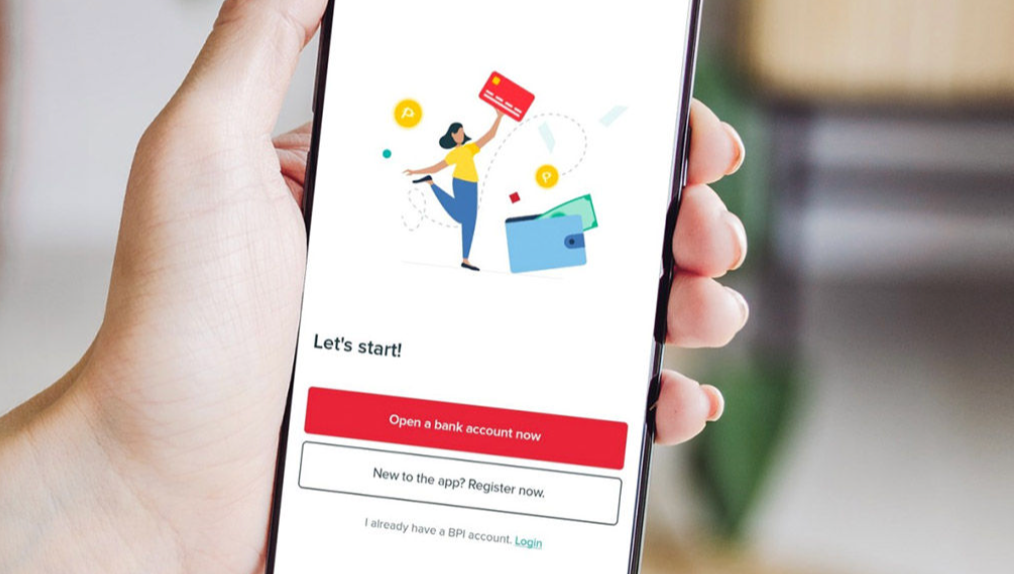
How to Open a BPI Account Online and Enroll in Auto-Debit: A Complete Guide for OFWs

For Overseas Filipino Workers (OFWs), managing finances back home can be challenging. Between long work hours, time zone differences, and limited access to Philippine bank branches, it’s essential to have a convenient and reliable way to handle money.

Good news: you can now open a BPI (Bank of the Philippine Islands) account completely online — no branch visit required. You can also set up auto-debit arrangements to automatically pay bills, loans, or investments.

This step-by-step guide will help OFWs open a BPI account from anywhere in the world and enroll it in auto-debit for worry-free financial management.

Plus, for OFWs buying property in the Philippines, once your account is set up, you can easily pay your monthly down payments via ADA (Auto-Debit Arrangement). This eliminates the need to open a checking account — which is often difficult to do if you’re based abroad and have no immediate plans to return home. It also removes the hassle of using a relative’s checking account, where you have limited visibility and control.

My husband and I use BPI as our main bank, and we’ve used the ADA feature to pay for the mortgage on one of our property investments. It’s been seamless, convenient, and stress-free.

Why BPI Is a Great Choice for OFWs

BPI has been one of the most trusted banks in the Philippines for generations. Here’s why OFWs prefer BPI:

  • Fast online account opening
  • Accessible mobile app from anywhere
  • Easy remittance linking
  • Auto-debit for bills and investments
  • Strong security features

STEP 1: Download the BPI App

Available on both iOS and Android, the BPI Mobile App allows you to open an account in minutes.

Download Links:

  • Google Play – search "BPI Mobile"
  • Apple App Store – search "BPI Mobile"

STEP 2: Choose "Create a Bank Account"

Once the app is installed:

  1. Open the BPI app
  2. Tap "Create a bank account"
  3. Select "Open a deposit account"

BPI currently allows online opening for the following accounts:

  • BPI Regular Savings Account (with or without debit card)
  • BPI #SaveUp Digital Savings
  • BPI e-Savings

Tip for OFWs: Choose an account that allows easy online access and has minimal maintaining balance.

STEP 3: Prepare Your Requirements

You’ll need to upload the following:

  • Valid Philippine ID (e.g., Passport, UMID, National ID, Driver’s License)
  • A selfie for identity verification
  • Philippine mobile number
  • Philippine address (can be your home address)

STEP 4: Complete the Online Application

Fill out the form with your:

  • Full name
  • Birthdate
  • Address
  • Email
  • Contact number

Then, take a live selfie and upload your ID. BPI will validate your identity in a few minutes.

STEP 5: Fund Your Account

After approval, you must initially fund your account. You can do this through:

  • GCash
  • Maya
  • Online bank transfer
  • Remittance partners abroad
  • Cash deposit at a BPI branch (if someone deposits for you)

Your account becomes fully active once funded.

STEP 6: Enroll in Auto-Debit Arrangement (ADA)

This is useful for:

  • Real estate amortization
  • Car or personal loans
  • Insurance premiums
  • Monthly investments (UITF, BPI Invest)
  • Utility bills (Meralco, Globe, etc.)

How to Enroll in Auto-Debit

Most developers and loan providers follow this process:

Option A: Enrollment via Partner Company (Most Common for Real Estate)

  1. Ask your developer (e.g., Ayala Land, Camella, A Brown, etc.) for their Auto-Debit Enrollment Form.
  2. Fill it out with your BPI account number.
  3. Sign the form and send it back to the developer/billing department.
  4. They will submit it to BPI.
  5. Wait for 5–10 banking days for activation.

Option B: Enrollment via BPI Branch (If required)

For some lenders or billers, a manual enrollment at any BPI branch may still be needed. For OFW’s you can simply have your representative hand carry your signed ADA form and submit it at the bank.

You (or your representative) will present:

  • Auto-Debit form
  • Valid ID
  • BPI account number

STEP 7: Monitor Your Auto-Debit in the BPI App

Once activated:

  1. Open the BPI App
  2. Go to "Other Services"
  3. Check your Scheduled Payments or transaction history

Your scheduled amount will automatically be deducted each month — no need to worry about forgetting payments while abroad. Just make sure that your account is funded to avoid penalties.

Tips for OFWs Using Auto-Debit

  • 🔐 Always maintain balance before the due date
  • 📆 Set reminders on your phone 3 days before auto-debit
  • 📩 Check notifications — BPI alerts you if deduction succeeds or fails
  • 🧾 Keep digital copies of receipts and confirmation messages
  • 💸 Encourage family to deposit to your BPI account if funds are low

Why Auto-Debit Is Helpful for OFWs

  • Ensures on-time payments
  • Avoids penalties and interest
  • Reduces stress and manual monitoring
  • Perfect for real estate amortizations
  • Lets you focus on work abroad while finances run smoothly

Opening a BPI account online and enrolling in auto-debit gives OFWs complete financial control—wherever they are in the world.

Ready to buy property in the Philippines?

If you’re an OFW planning to invest in real estate and want a smooth, automatic way to manage your monthly payments, I can guide you through the entire process—from choosing the right property to setting up ADA for hassle-free payment.

📩 Message me anytime for assistance or property recommendations. Let’s make your investment journey simple, secure, and stress-free.


Step-by-Step Guide: Home Loan for Pre-Selling Properties in the Philippines

Buying a pre-selling property is one of the ways to invest in real estate without paying a huge amount upfront. Once you’ve completed your equity payments, the next big step is applying for a home loan. The ideal time to start your home loan application is three months before your last equity payment. This ensures the bank has enough time to process your approval so your turnover won’t be delayed.

If you’re an OFW, you’ll need to assign an Attorney-In-Fact (AIF) via a Special Power of Attorney (SPA). Don’t worry — the bank will prepare this document, and you’ll just need to have it notarized (if in the Philippines) or consularized/Apostilled (if abroad).

Why Pre-Selling Properties Are Easier to Finance

When applying for a home loan for a pre-selling purchase, the requirements are similar to resale properties — but with one big advantage: no appraisal fee.

Developers and banks often have a Memorandum of Undertaking where the loanable amount for each unit is pre-approved based on the project’s pricing. This means:

  • Loanable amount can go up to 80–95% of the Total Contract Price.
  • Equity can be paid in installments, interest-free.

Equity terms vary depending on the project’s stage:

  • Newly launched projects: Longer equity terms (36 months or more).
  • Near completion: Shorter terms (12 months or less).

Let’s say, you have 3 months till completion of the down payment of your pre-selling unit. It’s now time to apply for a home loan. The first step is:

Step 1: Submit complete home loan requirements to your preferred bank

Developers will have a specific list of accredited banks per project that buyers can choose from. Request for this list from your broker. As a real estate broker in the Philippines, I personally assist clients with their home loan applications — from gathering requirements to coordinating with the bank. Most requirements can be sent online, so the process is very convenient.

Once you’ve chosen your desired bank, submit the following requirements. If the borrower is married, both spouses must submit these requirements.

Basic Requirements:

  • Two valid IDs with three specimen signatures
  • Marriage certificate (if married)
  • Filled-up home loan application form
  • Statement of Account (SOA) of payments made for the unit (requested from the Developer). Your broker can make this request for you.

Income Documents: Locally Employed / OFWs

  • Certificate of Employment or Job Contract
  • Latest 3 months’ payslips

Business Owners / Professionals / Online Workers

  • ITR and Financial Statements (last 2 years; some banks require 3)
  • Latest 6 months’ bank statements

Note: For OFWs, an SPA is required if you cannot personally sign documents.

·       If abroad: Have the SPA Apostilled at the DFA or Consularized at the Philippine Embassy.

·       If in the Philippines: Notarization will suffice.

Citizenship Requirements

You must be a Filipino citizen to get a home loan.

  • For OFWs who have given up their citizenship, you will need to apply for dual citizenship. The bank will request for a soft copy of the Oath of Allegiance.
  • BDO Exception: BDO allows PH-born individuals without dual citizenship to get a loan — but with a higher interest rate. For example, standard interest rates are currently at 6-7% PA. For OFW’s that have not applied for dual citizenship, BDO will give an interest rate of 10-11% PA.

Foreigners and Home Loans

Foreigners can get a home loan in the Philippines if they have the right visa:

  • Special Retirement Visa
  • Permanent Resident Visa
  • Working Visa

Some banks are strict, but BDO is more flexible and may approve loans for eligible foreigners with the required visa type.

Step 2: Bank will review your requirements Timeline: 2 weeks to 2 months

All your requirements can be submitted via email. The bank will acknowledge that they have received the requirements and begin reviewing the documents. Make sure that you are available and respond promptly any questions they might have. If employed, make sure to inform your employer that the bank will be conducting employment verification. If based abroad, this will be done via email. If based locally, this will be done via phone call or actual site inspection. Make sure to provide any lacking documents promptly to prevent any delays.

Timeline for this can be as short as 2 weeks or can reach up to 2 months, depending on the bank.

Your loanable amount will depend on these 3 factors:

  1. Gross monthly income
  2. Age
  3. Collateral property value

Rule of thumb: Monthly amortization should be no more than 1/3 of your gross monthly income.

Example: If you earn ₱100,000/month:

  • ₱100,000 ÷ 3 = ₱33,333 allowable amortization
  • At 6.5% interest over 15 years, this is roughly a ₱3.8M loanable amount.

Step 3: Bank approval + Issuance of LOG

Once approved, the bank will issue a letter of guarantee to the Developer. The bank will then send the borrower a breakdown of the bank fees which is usually around 2-3% of the loan amount. This can be debited from your account or paid in cash. Sometimes, banks can have promos wherein the bank fees can be included in the loanable amount so no need for additional cash out from the buyer. Once bank fees are paid, the bank will prepare the loan documents for signing. During this time, either you or your representative will need to go to the bank in person to sign. If you have a representative, make sure to have them bring a signed copy of the SPA. It’s better to coordinate with date and time for signing so the bank can prepare the documents in advance.

Step 4: Loan release

Once the loan documents are signed, the bank will coordinate with the developer for the loan release. Then you’ll start paying for your monthly amortization via auto-debit which will start in the following monthly. The bank will also give you hard copies of all the documents you signed. Make sure to allot sufficient time for signing as its quite a thick bundle. Once released, you will have fully paid the developer and can request for the turn-over of your unit.

I have a full video on what to expect for the turn over process. You can check it out here:


Final Thoughts

Applying for a home loan for a pre-selling property is straightforward — especially with proper guidance. The key is timing your application well, knowing the requirements, and working with a broker who can coordinate with banks and developers on your behalf.

At Truly Wealthy Realty, our commitment is to assist you from reservation to turnover, ensuring a smooth and worry-free home buying journey. If you need assistance with your home loan for a pre-selling property you invested in, send me an email and we can help facilitate your home loan process for you.


Which is Better: Bank vs Pag-IBIG Financing in Buying a House in the Philippines?

Buying a house in the Philippines is a significant financial decision, and choosing the right financing option is crucial. Two popular choices for home financing are bank loans and Pag-IBIG loans. In this article, we will explore the differences between these two options, including their pros and cons, qualification requirements, loan purposes, and interest rates. By the end, you’ll have a clearer understanding of which is better: Bank vs Pag-IBIG financing in buying a house in the Philippines.

The primary difference between Pag-IBIG and bank loans is the maximum loanable amount. Pag-IBIG has a maximum loanable amount of 6 million pesos, making it suitable for more affordable homes or those with lower borrowing needs. On the other hand, banks do not have a fixed maximum loanable amount, allowing for more flexibility and the ability to finance higher-value properties.

Pros and Cons of Pag-IBIG Loans

Pros of Pag-IBIG

Pag-IBIG loans offer lower interest rates and longer repayment periods, with terms extending up to 30 years. This can significantly reduce monthly payments, making homeownership more accessible. Additionally, with Pag-IBIG loans, you can get anyone to be your co-borrower as long as they have a Pag-IBIG membership. If they’re currently not a Pag-IBIG member, then you can have them apply as a member and pay 24 months worth of membership one time so they can be eligible. 

Cons of Pag-IBIG

However, Pag-IBIG’s maximum loanable amount of 6 million pesos may not be sufficient for higher-value properties. The qualification criteria are also more stringent (they have more requirements compared to bank financed loans), which may limit accessibility for some borrowers.

Bank loans can offer higher loan amounts, making them suitable for more expensive properties. They typically have more flexible qualification criteria compared to Pag-IBIG, which can make it easier for some borrowers to obtain financing.

The downside of bank loans is that they may come with higher interest rates compared to Pag-IBIG loans. Banks also usually offer shorter repayment periods (15-20 years), which can result in higher monthly payments. Although, some banks now such as Maybank offer a higher loan term of 30 years. 

BPI also has a Maybahay program with a maximum loanable amount of 3 Million that offer loan term of 30 years. 

You can check it out here : https://www.youtube.com/watch?v=xXc0MqBdgrc&t=2s&ab_channel=AlexZeta

To qualify for a Pag-IBIG loan, you must:

  • Be an active Pag-IBIG member with at least 24 consecutive monthly payments.
  • Be no more than 65 years old at the date of application and not more than 70 years old at loan maturity.
  • Pass a background and income credit investigation.
  • Be legally able to acquire property in the Philippines (Filipino citizen).
  • Have no foreclosed bank or HDMF loan.

Bank loan requirements are similar to Pag-IBIG, with some differences:

  • The maximum loan term is typically 20 years for most banks, although some like Maybank offer 30-year terms.
  • Must be a Filipino citizen (foreigners can obtain loans but often at higher interest rates).
  • Must have a viable income source, whether through employment or business.

Pag-IBIG loans can be used for:

  • Buying a residential lot
  • House construction
  • Home Improvement
  • Refinancing an existing housing loan

Bank loans can be used for:

  • Buying a residential lot
  • House construction
  • Home Improvement
  • Refinancing an existing housing loan
  • Buying a condominium unit
  • Buying a townhouse
  • Buying a commercial property

Both banks and Pag-IBIG offer various types of home loans. For a home purchase, the loanable amount is typically 80% of the appraised value. For lot or condo purchases, the loanable amount is usually 70% of the appraised value. Construction loans typically cover 80% of the bill of materials. Home improvement loans are available for renovating an existing home, and refinance mortgages are available after two years of regular mortgage payments with no history of default.

The appraised value is determined by a bank or Pag-IBIG appraiser and is usually lower than the selling price. Equity is the difference between the selling price and the loanable amount, paid by the buyer to the seller in cash.

Interest Rates

Interest rates vary between banks and Pag-IBIG. Bank interest rates typically range from 6-8% per annum for a five-year fixing period. In contrast, Pag-IBIG’s interest rates are currently at an all-time low due to the pandemic, often lower than bank rates.

Loanable Amount

The minimum loanable amount for banks is ₱500,000. The maximum loanable amount depends on the borrower’s age, gross monthly income, and the appraised value of the property. Co-borrowers can also affect the loanable amount. For banks, the co-borrower must be a first-degree relative (e.g., parents, siblings), while for Pag-IBIG, the co-borrower can be anyone who is also a Pag-IBIG member.

Pag-IBIG members can take up multiple loans, up to a maximum of ₱6 million. Additionally, Pag-IBIG has a higher age of maturity (70 years old) compared to banks.

When deciding between bank vs Pag-IBIG financing in buying a house in the Philippines, it’s essential to consider your financial situation, the property value, and your long-term plans. Pag-IBIG offers lower interest rates and longer repayment terms but has a lower loanable amount and stricter requirements. Banks provide higher loan amounts and more flexible requirements but come with higher interest rates and shorter repayment periods. Evaluate your needs and qualifications to determine the best financing option for your home purchase in the Philippines.

How to Reserve a Property in the Philippines


Reserving a property in the Philippines is an exciting but complex process that requires careful planning and consideration. Whether you are a local buyer or an overseas Filipino worker (OFW), understanding the steps involved and what to look for can help you make an informed decision. This guide will walk you through key factors to consider on how to reserve a property in the Philippines.

One of the most crucial factors in reserving a property in the Philippines is the reputation of the developer. A reputable developer can ensure that your investment is secure and that the property will be delivered as promised. Here are some points to consider:

  • Track Record and Experience: Evaluate the developer’s history and the number of years they have been in the industry. Experienced developers are likely to have a better understanding of market trends and construction standards.
  • Quality of Previous Projects: Visit the developer’s past projects to assess the quality of construction and finishing. Feedback from previous buyers can also provide insights into the developer’s reliability.
  • After-Sales Service: A good developer should offer excellent after-sales service. Check how responsive they are to queries and how they handle maintenance issues post-purchase.
  • Caution with New Developers: While new developers might offer attractive deals, they may lack the experience and resources to deliver quality projects. Additionally, new developers often face challenges in obtaining bank accreditation, which can delay the turnover of units.


Bank accreditation is a critical aspect when buying pre-selling properties, as it affects your ability to secure a home loan. Here’s why bank accreditation matters:

  • Home Loan Applications: Accredited developers make it easier for buyers to apply for home loans. Banks have stringent screening processes and may take years to accredit new developers.
  • Title Transfer and Loan Release: Without bank accreditation, the title transfer and loan release processes can be delayed. The developer typically handles the title transfer, which can take 6 to 12 months or longer. Buyers may not be able to use their units until the title is transferred.
  • Mortgage Payments: Consider the mortgage payments you will need to make after the equity period. For instance, if the total contract price of a property is 4.2 million pesos with a 10% down payment (400,000 pesos), the equity period could be 36 months with a monthly amortization of 11,000 pesos. After the equity period, a loan amount of 3.6 million pesos may result in a monthly amortization of 34,000 pesos for 15 years at an 8% interest rate. You would need an income of at least 110,000 pesos per month to qualify for such a loan.

Your eligibility for a home loan depends on several factors, including your gross income, age, marital status, and the property used as collateral. Here are some key points to consider:

  • Income and Monthly Amortization: The monthly amortization should not exceed one-third of your gross income. For instance, to qualify for a 3.6 million peso loan, you need to have a monthly income of at least 110,000 pesos.
  • Loan Term: Most banks offer a maximum loan term of 20 years. However, Maybank and BPI have programs that extend up to 30 years. The age of maturity (usually 65 years old) affects the maximum loan term.
  • Collateral: The property you are buying will be used as collateral for the loan, impacting the loan amount you can secure.

Your marital status can influence the process of how to reserve a property in the Philippines. Here are different scenarios:

  • Single: If you are single, you can sign all the necessary documents yourself.
  • Married: Both spouses need to make a mutual decision and sign the loan documents. If separated but not annulled, both spouses still need to sign the documents for bank financing.
  • Buying in Cash or Deferred Cash: This option avoids the need for a home loan and only requires your signature.
  • Selling Property While Married: Your spouse will need to sign the deed of sale. Each developer has different policies for property assumption during the equity stage.


Understanding the financial commitment when buying a property in the Philippines is crucial. Here’s an example:

  • Total Contract Price: 10 million pesos
  • Assumption Price: 1 million pesos
  • Payments Made to Developer: 500,000 pesos
  • Balance with Developer: 300,000 pesos
  • Buyer’s Total Investment:
    • Assumption Price: 1 million pesos
    • Re-documentation Fee: 100,000 pesos
    • Reservation Fee: 20,000 pesos
    • Notarial Fee: 50,000 pesos
    • Total Investment: 1.17 million pesos

The buyer pays 1.17 million pesos, the seller settles their balance with the developer, and the buyer submits all requirements before the unit is assigned.

Different developers have varying policies for property assumptions. For instance, WeeComm has a policy where the price difference between the prevailing rate and the loanable amount is payable to WeeComm, plus a 50,000 pesos transfer charge. This policy protects their pricing integrity but can make it challenging for investors to have their units assumed during the equity period.

  • Developer’s Track Record: Check the developer’s reputation and history of delivering projects.
  • Mortgage Payment Affordability: Ensure you can afford the monthly amortization after the equity period.
  • Home Loan Eligibility: Check your age, income, and marital status to see if you meet the bank’s requirements.
  • Developer Assumption Process: Understand the developer’s policy on property assumption.
  • Representative for OFWs: If you’re an OFW, you’ll need a representative or attorney-in-fact to transact on your behalf.

By considering these factors, you can navigate the process of how to reserve a property in the Philippines with confidence and ease.