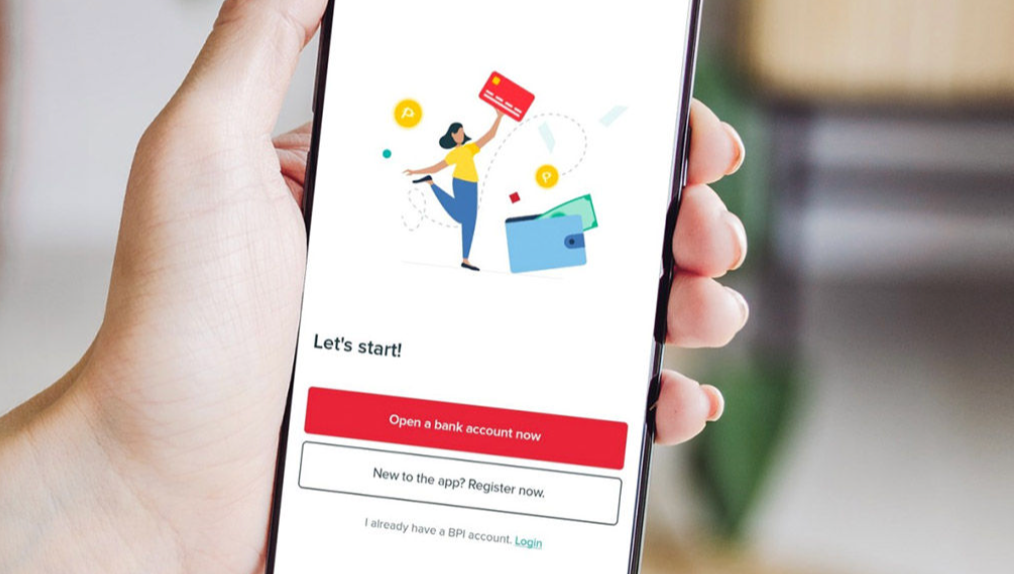
How to Open a BPI Account Online and Enroll in Auto-Debit: A Complete Guide for OFWs

How to Open a BPI Account Online and Enroll in Auto-Debit: A Complete Guide for OFWs

For Overseas Filipino Workers (OFWs), managing finances back home can be challenging. Between long work hours, time zone differences, and limited access to Philippine bank branches, it’s essential to have a convenient and reliable way to handle money.

Good news: you can now open a BPI (Bank of the Philippine Islands) account completely online — no branch visit required. You can also set up auto-debit arrangements to automatically pay bills, loans, or investments.

This step-by-step guide will help OFWs open a BPI account from anywhere in the world and enroll it in auto-debit for worry-free financial management.

Plus, for OFWs buying property in the Philippines, once your account is set up, you can easily pay your monthly down payments via ADA (Auto-Debit Arrangement). This eliminates the need to open a checking account — which is often difficult to do if you’re based abroad and have no immediate plans to return home. It also removes the hassle of using a relative’s checking account, where you have limited visibility and control.

My husband and I use BPI as our main bank, and we’ve used the ADA feature to pay for the mortgage on one of our property investments. It’s been seamless, convenient, and stress-free.

Why BPI Is a Great Choice for OFWs

BPI has been one of the most trusted banks in the Philippines for generations. Here’s why OFWs prefer BPI:

  • Fast online account opening
  • Accessible mobile app from anywhere
  • Easy remittance linking
  • Auto-debit for bills and investments
  • Strong security features

STEP 1: Download the BPI App

Available on both iOS and Android, the BPI Mobile App allows you to open an account in minutes.

Download Links:

  • Google Play – search "BPI Mobile"
  • Apple App Store – search "BPI Mobile"

STEP 2: Choose "Create a Bank Account"

Once the app is installed:

  1. Open the BPI app
  2. Tap "Create a bank account"
  3. Select "Open a deposit account"

BPI currently allows online opening for the following accounts:

  • BPI Regular Savings Account (with or without debit card)
  • BPI #SaveUp Digital Savings
  • BPI e-Savings

Tip for OFWs: Choose an account that allows easy online access and has minimal maintaining balance.

STEP 3: Prepare Your Requirements

You’ll need to upload the following:

  • Valid Philippine ID (e.g., Passport, UMID, National ID, Driver’s License)
  • A selfie for identity verification
  • Philippine mobile number
  • Philippine address (can be your home address)

STEP 4: Complete the Online Application

Fill out the form with your:

  • Full name
  • Birthdate
  • Address
  • Email
  • Contact number

Then, take a live selfie and upload your ID. BPI will validate your identity in a few minutes.

STEP 5: Fund Your Account

After approval, you must initially fund your account. You can do this through:

  • GCash
  • Maya
  • Online bank transfer
  • Remittance partners abroad
  • Cash deposit at a BPI branch (if someone deposits for you)

Your account becomes fully active once funded.

STEP 6: Enroll in Auto-Debit Arrangement (ADA)

This is useful for:

  • Real estate amortization
  • Car or personal loans
  • Insurance premiums
  • Monthly investments (UITF, BPI Invest)
  • Utility bills (Meralco, Globe, etc.)

How to Enroll in Auto-Debit

Most developers and loan providers follow this process:

Option A: Enrollment via Partner Company (Most Common for Real Estate)

  1. Ask your developer (e.g., Ayala Land, Camella, A Brown, etc.) for their Auto-Debit Enrollment Form.
  2. Fill it out with your BPI account number.
  3. Sign the form and send it back to the developer/billing department.
  4. They will submit it to BPI.
  5. Wait for 5–10 banking days for activation.

Option B: Enrollment via BPI Branch (If required)

For some lenders or billers, a manual enrollment at any BPI branch may still be needed. For OFW’s you can simply have your representative hand carry your signed ADA form and submit it at the bank.

You (or your representative) will present:

  • Auto-Debit form
  • Valid ID
  • BPI account number

STEP 7: Monitor Your Auto-Debit in the BPI App

Once activated:

  1. Open the BPI App
  2. Go to "Other Services"
  3. Check your Scheduled Payments or transaction history

Your scheduled amount will automatically be deducted each month — no need to worry about forgetting payments while abroad. Just make sure that your account is funded to avoid penalties.

Tips for OFWs Using Auto-Debit

  • 🔐 Always maintain balance before the due date
  • 📆 Set reminders on your phone 3 days before auto-debit
  • 📩 Check notifications — BPI alerts you if deduction succeeds or fails
  • 🧾 Keep digital copies of receipts and confirmation messages
  • 💸 Encourage family to deposit to your BPI account if funds are low

Why Auto-Debit Is Helpful for OFWs

  • Ensures on-time payments
  • Avoids penalties and interest
  • Reduces stress and manual monitoring
  • Perfect for real estate amortizations
  • Lets you focus on work abroad while finances run smoothly

Opening a BPI account online and enrolling in auto-debit gives OFWs complete financial control—wherever they are in the world.

Ready to buy property in the Philippines?

If you’re an OFW planning to invest in real estate and want a smooth, automatic way to manage your monthly payments, I can guide you through the entire process—from choosing the right property to setting up ADA for hassle-free payment.

📩 Message me anytime for assistance or property recommendations. Let’s make your investment journey simple, secure, and stress-free.


Preselling vs. RFO: Which Should New Real Estate Agents Focus On?

If you’re a new real estate agent in the Philippines, one of the first questions you’ll face is this:

"Should I focus on preselling units or RFO (Ready for Occupancy) properties?"

Both can be profitable. Both can build your career. But they fit different types of agents—and knowing which path to start with can save you months of frustration and lost income.

Here’s a simple, clear breakdown to help you choose.

Preselling: The Best Starting Point for Most New Agents

Preselling is often the easiest entry point for beginners, and here’s why:

1. Easier to Sell Because It’s More Affordable

Preselling offers:

  • Lower down payments
  • Stretched terms
  • Early-buyer discounts
  • Flexible promos

Most Filipino buyers—especially young families and OFWs—are budget-conscious. Preselling fits their financial capability, making it easier to convince them to reserve a unit.

Buyers only need to pay a reservation fee, which is manageable for most people, and the down payment (10–20%) is payable in monthly installments. Because preselling carries minimal financial exposure, buyers can make decisions faster.

2. Developers Provide Strong Marketing Support

One of the biggest advantages of selling preselling units is the massive marketing support that developers provide. This is a huge benefit for new agents who may not yet have the skills, resources, or budget to create high-quality marketing materials on their own.

When you work with reputable developers, you instantly gain access to:

·       Professionally designed brochures and flyers

·       High-quality videos and virtual tours

·       Fully furnished and "Instagrammable" model units

·       Regular webinars and Zoom presentations for client pitching

·       Ready-to-use digital ads, social graphics, and content kits

These tools make it so much easier to present the project to your clients—even if you’re new and still building confidence. Instead of starting from zero, you can leverage the branding, reputation, and polished materials that developers have already created.

Model units are one of the strongest selling tools in preselling. Developers invest millions in furnishing and designing these units to show buyers what their future home can look like.

For new agents, this is a huge advantage:

·       You don’t need to stage or prepare anything

·       Buyers can visualize the space immediately

·       It helps clients overcome hesitations about buying a unit that isn’t built yet

Model units turn imagination into reality—which dramatically increases your chances of closing the sale.

Promos are a game-changer in preselling. Developers frequently launch various promos such as:

·       Spot cash discounts

·       Low reservation fees

·       Extended DP terms

·       Waived move-in fees

·       Lower monthly amortizations

·       Appliances or furnishings as freebies

As an agent, you can use these promos to encourage hesitant buyers to move forward. Instead of convincing the client purely with words, you can show them real, tangible benefits that make the decision easier.

These incentives help build urgency, which is especially useful for new agents who are still learning how to handle objections and close deals.

3. You Build Your Pipeline for Future Income

One of the biggest long-term advantages of selling preselling units is the ability to build a pipeline—a steady flow of commissions that you’ll receive months or years from now.

Unlike RFO transactions, where commissions come quickly but inconsistently, preselling commissions are released once the project reaches certain milestones. Because developers typically turn over units within 2 to 5 years, the income doesn’t arrive immediately—but it does arrive. The pre-selling deals I’ve closed in 3-5 years ago, I’m now getting the commission for in tranches. So funds now keep coming in on a regularly basis.

Think of preselling as planting seeds.

Every time you close a sale today, you’re planting a seed that will grow into a future payout. If you close consistently—say, a few sales every month—then over time, those "future commissions" begin to overlap.

After a year or two, this overlapping effect turns into:

·       Steady monthly commission releases

·       Predictable cash flow

·       Long-term income stability

·       A stronger financial foundation for your real estate career

This is why many top brokers still continue selling preselling units even after they’ve become successful. They understand that pipeline income is the backbone of a sustainable real estate business.

This is how many top performers build their careers. Most of the industry’s top-producing agents didn’t become successful because of one big sale—they became successful because they consistently closed preselling projects that eventually created a continuous stream of income. Like most things in life, consistency is the key to long term success.

But Keep in Mind: It Takes Patience and Commitment.

Preselling also comes with its realities:

· Commissions are deferred. You might wait 2 to 5 years before receiving full payouts.

· Follow-up is essential. You must stay connected with clients throughout the entire construction period—especially during financing and turnover. This is where Nurture Your Leads (nurtureyourleads.com) come in. This is an online sales assistance to help you follow up, nurture and close deals.

· Buyers need nurturing. Long DP schedules mean clients may have concerns, questions, or financial issues along the way.

Pre-selling is Best for: ✔ Agents who can wait for commissions ✔ Beginners building skills ✔ Part-timers or full-timers who can handle long-term nurturing

RFO: The Fastest Way to Earn, But Harder for Beginners

RFO (Ready for Occupancy) units are properties that are fully constructed, inspected, and ready to be moved into. They attract a very specific type of buyer—families who need a home immediately, OFWs returning to the country, and investors looking for units they can rent out right away.

Because the need is urgent, the opportunity is huge. But the challenge is equally big, especially for new agents.

1.    Faster Commission Payouts

One of the biggest advantages of selling RFO units is the speed of commission release. Unlike preselling, where commissions are given slowly over the course of the buyer’s down payment period—sometimes taking 2 to 5 years—RFO commissions are tied directly to full payment. Once the property is fully paid and ownership is ready to be transferred, the broker’s fee can be released.

For cash buyers, commission is released within right after closing since the buyer has already fully paid the seller.

For bank-financed RFO, the commission is released in tranches. The first release is upon down payment of the buyer and the second tranch is upon release of loan proceeds to the seller. So there is a bit of a waiting time to get the full commission, depending on how long it takes to transfer the title. Since the bank will release the loan, once transferred title is submitted to the bank.

This makes RFO highly attractive for agents who need faster cash flow, especially those relying solely on real estate as their income source since you don’t have to wait for years to get your full commission.

In short: Preselling = slow but stable RFO = fast but harder to close

2.    More technical and harder to close compared to Pre-selling

While RFO offers the advantage of quicker commission releases, it also demands more skill, deeper knowledge, and stronger confidence from an agent. Compared to preselling—where the developer handles almost everything—RFO requires the agent to take on a more hands-on, technical role.

a. You Handle the Full Due Diligence Process

In RFO transactions, the agent cannot rely on the developer’s sales admin team to process documents. Instead, you need to personally ensure that everything is in order before the sale moves forward. This includes:

·       Inspecting the condition of the property

·       Checking for repairs, issues, or discrepancies

·       Verifying ownership documents (Title, Tax Dec, Tax Clearance, IDs)

·       Ensuring that the seller is the true, legal owner

·       Confirming the unit is free from liens, encumbrances, unpaid dues, or arrears

·       Coordinating with homeowners associations or the property admin

·       Making sure all signatures, documents, and IDs are complete and valid

This level of responsibility can be overwhelming for new agents who are still unfamiliar with the technical side of real estate transactions.

b. You Must Coordinate Between Buyer and Seller

Unlike preselling—where you mainly deal with the developer—RFO requires you to serve as the bridge between two parties:

·       The buyer, with their expectations, timelines, and budget

·       The seller, with their demands, limitations, and desired selling price

This means the agent must have:

·       Strong interpersonal skills

·       Clear communication

·       Firm but respectful negotiation ability

·       Patience and problem-solving skills

Agents often need to mediate when disagreements arise over pricing, repairs, inclusions, turnover timelines, and document completeness.

c. Negotiation Is More Complex

In preselling, the price is fixed. In RFO, everything is negotiable—price, terms, repairs, inclusions, move-in dates.

This puts pressure on the agent to:

·       Justify the value of the property

·       Manage both parties’ expectations

·       Find a win–win agreement

·       Ensure neither side feels shortchanged

·       Keep the deal alive even when compromises are needed

New agents often struggle here because they don’t yet have the experience or confidence to handle tough negotiations.

d. Closing an RFO Deal Still Takes Time

Many think RFO is "fast" just because the unit is ready. In reality, RFO deals can still take months before closing—especially when:

·       The buyer has a very specific requirement

·       The seller is unavailable or abroad

·       Documents are incomplete

·       Repairs need to be completed before turnover

·       Bank financing is involved

·       Appraisal issues arise

·       Both parties negotiate multiple times

For example, one of my recent RFO transactions took 7 months to close. I had to search for the right property, negotiate the price and terms, help the buyer process the bank loan, assist with due diligence and coordinate turnover

Even though the unit was ready, the entire process still required time, patience, and expertise.

RFO is fast—but only if the agent has the technical knowledge and hands-on skills to execute the transaction smoothly. It requires more responsibility, more communication, and more problem-solving compared to preselling.

This is why RFO is often better suited for more experienced agents, or for beginners who have strong mentors to guide them.

So, Which Should You Focus On?

If you’re brand new:

Start with PRESSELLING.

It’s easier, more forgiving, and builds your pipeline—your long-term income engine.

Once you gain confidence:

Add RFO to your portfolio.

That’s how you stabilize your career: Pipeline income (Preselling) + Fast income (RFO).

This combination is what ultimately leads to consistent closings, higher earnings, and a sustainable real estate career.

New agents don’t win by being the most experienced. They win by being the most consistent.

Ready to Build a Successful Real Estate Career? Join Truly Wealthy Realty.

Whether you want to master preselling, learn RFO transactions, or build a long-term career with stable income, you don’t have to do it alone.

At Truly Wealthy Realty, we guide new agents step-by-step through the entire real estate process—with real mentorship, real training, and real results.

When you join Truly Wealthy Realty, you get:

Hands-on coaching from experienced brokers

Regular trainings designed for to create Elite Agents

Marketing support—content kits, presentations, and templates

Tools like Nutureyourleads.com to help you track your leads and deals

Developer accreditation with top projects nationwide

A supportive culture focused on growth and excellence

One-on-one guidance for your first few closings

A community that genuinely wants you to succeed

Whether you’re just starting or looking to level up, Truly Wealthy Realty gives you the tools, training, and environment to thrive.

If you’re ready to grow, earn, and build a long-term career in real estate, send us a message and apply to become a Truly Wealthy Realty agent today.

Contact me: 📲WhatsApp +63 917 851 2752 or 📩 Email [email protected]

Unlocking Your First Million in Real Estate: The Path to Success

Every successful real estate agent starts with a dream — to close that first big deal, to earn that first million, and to finally prove that all the effort, late nights, and rejections were worth it.

But success doesn’t happen by accident. It’s built intentionally — through mindset, discipline, and the willingness to grow. There are 3 things that make successful people, successful.

1. The Hunger to Succeed

Every great achievement starts with hunger — that deep, internal drive to do more and be more. Hunger fuels resourcefulness, and resourcefulness builds persistence. People who are hungry don’t stop once they encounter resistance. They keep pushing forward. Successful people do not just what’s convenient but they do what is necessary.

Success requires commitment. You can’t half-commit to greatness. Winners don’t keep a backup plan — they burn the boat and focus on moving forward. When challenges come (and they will), successful people don’t stop. They find a way through.

Ask yourself:

On a scale of 1 to 10, how hungry are you to succeed in real estate?

When you’re hungry enough, you stop making excuses and start finding ways. You attend trainings, call more leads, and learn from every "no."

2. Model Proven Practices

Stop trying to reinvent the wheel. Someone has already achieved what you’re aiming for — find them, learn from them, and model what works.

Ask yourself:

Who has already made a million pesos as a real estate agent? Who are the agents closing millions consistently every month?

Study their habits, scripts, systems, and work ethic. In order to copy their results — copy their process.

When I was a new agent, I made it a point to learn directly from those who were already achieving the kind of success I wanted. I would ask top-performing agents about their daily routines, their marketing strategies, how they handled clients, what strategies they used to close deals, and what kept them motivated even when sales were slow.

I realized there’s no single "secret" to success — but there are patterns. Successful agents consistently show up, track their numbers, follow up with leads, and keep improving their pitch. They have systems in place that make their business predictable and scalable.

At one point, I even invested ₱25,000 in a sales course by Ryan Serhant, one of the world’s top real estate brokers. It was a big investment at the time, but it taught me the value of continuous learning and the importance of surrounding yourself — even virtually — with people who are operating at a higher level.

It’s important to remember that success leaves clues. You don’t need to reinvent the wheel — you just need to observe, adapt, and apply. The more you study and model proven systems, the faster you’ll find your own rhythm and build confidence in your unique selling style.

3. Improve Through Iteration

Success isn’t about perfection; it’s about progress.

In real estate — just like in any business — you don’t need to get everything right the first time. What truly matters is that you keep moving forward, learning from every experience, and adjusting your approach along the way.

That’s why it’s crucial to follow this formula:

Imitate → Iterate → Innovate (And always in this order — not the other way around.)

When you’re starting out, don’t overthink or try to "create your own way" right away. Remember, someone has already done what you want to do. Begin by imitating what already works. Watch how top agents handle clients, how they present properties, and how they close deals. Mimic their tone, their process, and their consistency — that’s your foundation.

Next, iterate. As you gain experience, start refining those actions. Maybe a certain script feels unnatural, or a follow-up technique works better for you — adjust it. Every client meeting, every negotiation, and even every rejection teaches you something valuable. Each interaction is an opportunity to sharpen your skills. Repeat what works, fix what doesn’t, and keep evolving. This is where you personalize what you’ve learned.

Then comes innovation. Once you’ve mastered the basics, that’s when you can experiment, add your unique touch, and create systems that fit your style. Innovation only works when it’s built on top of proven principles.Remember, the goal isn’t to be perfect — it’s to be better than yesterday. Consistency compounds. And over time, these small improvements build unstoppable momentum toward your long-term success.

4. Set Your Goal

Clarity is power. You can’t hit a target you can’t see — and yet many agents go through their careers just "trying their best" without defining what success actually looks like.

So start by asking yourself: What’s your goal? Do you want to earn your first million? Close five deals in three months? Build a consistent pipeline of leads? Whatever it is, make it specific, measurable, and time-bound. The clearer your goal, the easier it is to create a roadmap to reach it.

Then, take an honest look at yourself and ask: What’s holding me back? Is it a lack of time? Lack of skills? Fear of rejection? Inconsistency? Identifying your constraints doesn’t make you weak — it makes you strategic. Once you know what’s standing in your way, you can find creative solutions to overcome it.

For example:

·       If time is your constraint, create a focused daily schedule and eliminate distractions.

·       If skill is your constraint, invest in training or coaching.

·       If confidence is your constraint, start by taking small, consistent actions that build momentum.

Remember, every obstacle is just feedback. It’s not a signal to stop — it’s a signpost pointing you toward what needs to be improved next. The agents who grow the fastest aren’t the ones who never struggle; they’re the ones who learn how to turn struggles into strategies.

Clarity gives you direction, and direction builds momentum. Once you know exactly what you want and what’s stopping you, success becomes a matter of time and consistency.

With every step you take towards your goal, its also important to track your progress.

Measure your success — not just by the number of deals closed, but by how much closer you are to your goal. Tools like NurtureYourLeads (NYL) can help you track leads, follow-ups, and progress efficiently. What gets measured, gets improved.

What does success look like to you?

Success in real estate isn’t about luck or timing. It’s about hunger, focus, and persistence.

Every top agent started as a beginner — unsure, uncomfortable, and untested. The difference? They didn’t wait for the perfect moment. They started, stayed consistent, and never gave up.

So if you’re reading this — your journey to your first million starts now. So join the right team (like TWR Group) and keep pressing forward to success.

How I Built a 6-Figure Income from Real Estate (Starting with Zero Experience)

When I started in real estate, I had zero experience. No background in sales. No big network. Just a clear goal — to build a life of financial freedom and time flexibility.

At the time, I didn’t even fully understand what "real estate brokerage" really meant. All I knew was that people were earning good money helping others find homes and investments — and that if others could do it, so could I.

The First Step: Learning the Business from the Ground Up

When you’re new, it’s easy to feel lost. Listings, leads, paperwork — everything can feel overwhelming.

My first few months were slow. I was still working as an online writer, and there were days I barely did any real estate work. So I set the bar low. My only rule was to do one thing daily that could help me find a buyer or a seller.

Eventually, that small daily effort became a habit. Leads started coming in — mostly from online marketing. I sent hundreds of messages, and sometimes got only one or two replies.

But instead of quitting, I focused on learning. I attended every training I could, studied how top agents worked, and observed what successful brokers did differently. That’s when I realized this business isn’t just about selling — it’s about building trust and solving problems.

Once I shifted my mindset from "I need a sale" to "I want to help people make better property decisions," everything changed.

Building Momentum: Consistency Over Talent

Real estate rewards consistency, not just talent. I made it a habit to talk to at least five people a day. Whether online, through referrals, or walk-ins — I showed up daily.

Eventually, one deal led to another. My first clients came from online inquiries. I didn’t have fancy ads or a big team yet, but I replied fast, listened well, and followed up consistently.

When clients saw that I genuinely cared about their needs — not just my commission — they started referring me to friends and family. I also began creating content with Youtube as my main platform. I also posted on social media – it was mainly Facebook then. Thru this, I was able to create an effective way to generate leads. That’s how my client base grew.

Expanding My Reach: Building with TWR Group

Building TWR Group with my partners was a turning point. Being part of a solid team makes a huge difference. We provided access to top-tier training, listings from major developers, and — most importantly — a support system of agents who helped each other grow.

With proper mentorship and structure, growth becomes inevitable. From inconsistent commissions, I started earning a steady six-figure income. More importantly, I built a business that could sustain itself.

Tracking Growth: You Grow What You Track

Now that I’m using Nurture Your Leads — a platform for managing clients and tracking deals — I get to visibly see what I’m working on. Every lead, every follow-up, every deal in progress is organized and measurable.

When you track your numbers, you become more intentional. You can spot which sources are bringing results, where to focus, and which clients need attention. It’s true — you grow what you track. Having a clear system gives you confidence and momentum to scale.

My Formula for Success (and What I Teach Our Team)

If I had to summarize how I got here, it would be through three simple things:

  1. Learn fast and never stop learning. The market changes fast. Stay updated, learn digital marketing, and know your inventory. Real estate is such a broad field – decide which niche to focus on. Our team focuses on mainly mid-high end residential and commercial real estate.
  2. Build relationships, not transactions. Clients remember how you made them feel more than the property you sold them.
  3. Show up — even on slow days. The agents who show up consistently are the ones who get lucky "overnight."

The Opportunity is Still Wide Open

I’ve helped hundreds of clients find their dream homes and investments — and I’ve also helped agents start their own careers. The truth is, real estate in the Philippines is still full of opportunity.

You don’t need to be a top salesperson or have a big network to start. You just need discipline, the right mindset, and the right team to guide you.

If you’ve been thinking about starting your real estate career, maybe this is your sign. At TWR Group, we’re helping new agents grow with mentorship, training, and real opportunities to earn.

📲 Message me on WhatsApp (+63 917 851 2752) to schedule a quick chat about how you can start your own journey in real estate.

Give Value, Ask for Nothing Back

I was watching a video this morning by Gary Vaynerchuck about how to grow your subscribers. And what he said struck me so I decided to write this email and share that with you.

Whether you are a small business owner, doctor or corporate employee, growing your influence online is something you should do. Why? Because that’s where the people are. Even if you’re winning now, you will lose in the long term if you don’t grow your online presence.

And so what many ask is:

How can I get more subscribers?

How can I get more views?

How can I get big sponsors?

It’s all about I, I, I. If you want to win in the long term, don’t focus on what you can get. Rather, focus on how you can add value.

If you have a small milk tea shop. Think about how you can add value to your local market.

If you’re a doctor, think about how you can help people even if they’re not your patients-yet.

If you’re a corporate employee, think about how you can better serve your company.

Give. Give. Give. Add value where you can. Help out the person next to you even if you wont get any business from them-yet.

All that will eventually come back to you in the form of good karma. It’s only common sense. But don’t give with the expectation of getting. Just give. The time will come when you can ask. And since you’ve given so much, people will gladly give you what you want.

I’ve been a real estate broker in Cagayan de Oro for over a decade and my career is built on helping people. I help sellers sell their property at the price they want. I help buyers find the best deals for them. I give my clients market updates and tips. If a listing is not a good deal, then I tell my clients that it’s not. I may not be able to close that deal but I’ve provided value and that’s more important to me. Long term relationship is more important than short term gain.

Recently, I helped a client acquire a foreclosed property in Montana Vista. It was a 120 sqm 3 bedroom house listed at 1.5M. The value for that property is between 2.5-3M. But since it was a foreclosed property, it was selling at such a low price. I coached my client on what to bid for it and she won the bidding. Yes, I closed the deal. But what was more important is that my client was able to make a good investment.

It doesn’t matter what your profession is. You can always give value.

Let me know how you plan on giving value in the profession you’re in. Let’s share ideas and encourage one another.

Till next time!

CGT vs VAT: Why You Only Pay One Tax When Selling Real Estate in the Philippines (Plus 2 Real Case Studies)

When selling real estate in the Philippines, one of the biggest sources of confusion is whether a property sale should be taxed under Capital Gains Tax (CGT) or Value-Added Tax (VAT).

Many sellers worry that they might be charged both—but the truth is:

You can only be charged either CGT or VAT, never both.

The National Internal Revenue Code (NIRC) makes these two tax systems mutually exclusive, and the secret lies in one thing:

How the property is classified: Capital Asset or Ordinary Asset.

In this blog, we’ll break down the difference in the simplest way possible and share two real case studies where sellers were almost overcharged — until we stepped in to clarify the rules.

Why You Pay Only One Tax: The Core Principle

Although the law doesn’t spell it out in a single sentence, the NIRC makes it impossible for both CGT and VAT to apply to the same property sale.

Here’s why:

· CGT applies only to capital assets

· VAT applies only to ordinary assets

And since a property can’t be both at the same time, only one tax will apply. Understanding this single principle can save you hundreds of thousands of pesos.

Capital Asset vs. Ordinary Asset: What’s the Difference?

Capital Asset (Subject to 6% CGT)

A capital asset is any property not used in business and not held for sale as part of your trade. This includes properties kept for personal use or long-term investment.

Examples of Capital Assets:

·       Personal homes

·       Vacant lots held for investment

·       Inherited residential properties

·       Condo units NOT used for rental

·       Any property owned by someone NOT engaged in the real estate business

When you sell a capital asset, the transaction is NOT subject to VAT, and the seller pays 6% Capital Gains Tax.

Ordinary Asset (Subject to 12% VAT)

An ordinary asset is a property that is used in business, held for sale, or generated income.

Examples of Ordinary Assets:

·       Developer inventory (subdivision lots, condo units)

·       Rental properties (used to generate business income)

·       Company-owned buildings or warehouses

·       Properties frequently bought and sold as a business activity

If the seller is VAT-registered (or required to be), and the property is an ordinary asset, the sale becomes VATable.

CASE STUDY 1: Corporation-Owned Residential Property (Initially Tagged as VATable)

We handled a case where a corporation, operating a restaurant business, sold a residential property under its name. Because the corporation was VAT-registered, the BIR examiner initially categorized the sale as VATable.

But here’s where correct classification made all the difference.

  • The residential property was not used in the corporation’s business
  • It did not generate income
  • It was not part of inventory
  • It was owned simply for personal use

The seller’s accountant presented documentation proving the property was a capital asset. As a result, BIR agreed — the sale was not VATable and was correctly subject only to CGT. This decision saved the seller from an unnecessary 12% VAT charge.

CASE STUDY 2: Business Owner Selling a Residential Lot (Initially Miscomputed as VAT + CGT)

In another transaction, the seller was:

  • A business owner (fuel business)
  • VAT-registered
  • Registered as engaged in business under his TIN

When our processor asked BIR for the tax computation, the examiner initially said:

"VAT + CGT applies because the seller is a business owner who is VATable."

This assessment was worse than the first case because the examiner suggested charging both VAT and CGT.

This was incorrect.

Why VAT Should NOT Apply:

  • VAT depends on property classification — not the seller’s business nature
  • The property was a residential lot
  • It was NOT used in the fuel business
  • It was NOT rented out
  • It was NOT business inventory
  • It generated zero business income

BIR typically validates this by conducting an ocular inspection and reviewing income records.

We presented the information above to the examiner and as a result, the BIR examiner agreed that the property was a capital asset, not an ordinary asset. Therefore, only CGT applied — no VAT. This correction prevented the seller from being charged taxes he didn’t owe.

Key Takeaway: Property Classification Determines the Tax — Not the Seller’s Status

Even if the seller is:

  • A corporation
  • A VAT-registered business owner
  • Engaged in trade
  • Paying percentage tax or VAT regularly

If the property was not used in business, it remains a capital asset.

And if it’s a capital asset, the sale is subject only to CGT, without VAT. This is the biggest misconception among sellers — and unfortunately, even among some BIR examiners and new agents.

Why You Need an Experienced Real Estate Professional

Real estate transactions are high-value, and one wrong assumption can lead to:

  • Overpayment of taxes
  • Delays in computation
  • Misclassification of property
  • Penalties for incorrect filings

A knowledgeable real estate agent ensures:

✔ You pay the correct taxes ✔ Your documents are complete ✔ Your transaction is protected ✔ You avoid unnecessary charges ✔ You don’t get lost in BIR processes ✔ Miscomputations are corrected before final assessment

In the two cases above, sellers would have paid hundreds of thousands in excess taxes if we didn’t intervene.

The "CGT vs VAT" confusion happens more often than people realize. But once you understand the logic, it becomes simple:

  • CGT applies to capital assets
  • VAT applies to ordinary assets
  • You can never be charged both

Knowing this protects you from costly mistakes and empowers you to make smarter decisions when selling your property.

If you want expert guidance for your next property sale or purchase, I’d be happy to help — from reviewing property classification to handling tax computations, documentation, and closing.

📱 Message me on WhatsApp: +63 917 851 2752 📩 Or send me an email for a consultation.

Your property transaction deserves accuracy, confidence, and expert care.

No copyright infringement intended. All rights belong to the rightful owner(s) of the content, used here for entertainment/informational purposes only, not for profit


How to Buy a Foreclosed Property at BOC in 4 Steps

Buying a foreclosed property from the Bank of Commerce (BOC) can be a great way to secure real estate at a good price. However, the process takes time, guidance and requires proper preparation. Getting proper guidance from an experience real estate agent will help you navigate the whole process smoothly. I’m not only a real estate broker and consultant but a real estate investor as well. We like to hunt around for good deals and that includes foreclosed properties. A few months ago, we invested in a foreclosed lot in Mountain Meadows under BOC – a subdivision in CDO that used to be owned by Fil-Estate but now has since been turned over to Megaworld.

Here’s a step-by-step guide on how we acquired this BOC foreclosed property based on actual experience. I am also helping my clients with their purchase as well.

Step 1: Submit the Requirements to BOC Manila

Submit the fully and originally accomplished Purchase Proposal Form along with the required documents. Make sure everything is complete—all in hard copy—to avoid delays. Send these to the BOC head office in Manila inside an envelope with the label – "Bids and Awards Committee – Bank Property Bid"

Step 2: Wait for Notice of Approval

Once your documents are received, BOC will evaluate your application. This stage usually takes 2–3 months. The timeline depends the bank. We’ve acquired a foreclosed property thru PSBank and the approval only took a few days. BOC takes a bit more time so you’ll just need to be more patient. If approved, you’ll receive a formal notice from the bank.

Step 3: Pay the Downpayment

After receiving approval, you’ll be asked to proceed to your nearest BOC branch to pay the downpayment which is 20% of the total contract price plus other taxes and fees. We filled up a special form for the payment and deposited the needed amount. Then we scanned the proof of payment and emailed it to the ROPA representative. This step typically needs to be completed within 3–5 days.

Step 4: Sign the Deed of Conditional Sale

BOC will then send a hard copy of the Deed of Conditional Sale to your chosen branch for your signature. We signed around 8 copies and had them notarized. After signing, we submitted the notarized copies to the nearest BOC branch, which then mailed them to BOC Manila for the bank’s signature.

Once completed, the bank will mail back the notarized copies to you for your file. This step formalizes your purchase.

Financing Options

Foreclosed properties are open to either cash payment or bank financing. If you prefer bank financing then you’ll only need to come up with 20% while the 80% can be financed by the bank.

Applying for a Home Loan

  • At BOC: It’s best to apply for a loan directly with BOC, preferably with pre-approval. This avoids delays in releasing the loan once the title is ready. Timeline: Once the title reaches the Registry of Deeds (ROD), loan release takes about 2-3 months.
  • At Other Banks: You may also choose to finance through another bank. However, the process is longer since they require the transferred title before releasing the loan to BOC. Timeline: Title transfer can take 6–12 months, depending on the service provider. During this waiting period, you’ll need to pay via in-house financing with BOC at 10% interest per annum for a 5-year term. This option is less ideal due to high rates and the short term. We initially wanted to get a loan from our main bank (BPI). But when we found out we have to go thru in-house financing for potentially 6-12 months, we opted to apply for a loan at BOC instead.

Key Takeaways

  • Preparation is crucial. Submit the completed Purchase Proposal Form and all requirements in hard copy.
  • Expect delays. Approval alone can take 2–3 months.
  • Choose your financing wisely. A loan with BOC is generally faster and cheaper in the long run compared to going through another bank.
  • Plan your cash flow. Be ready for downpayment and possible in-house amortizations while waiting for loan release.

⚠️ IMPORTANT REMINDERS

  1. Please submit complete requirements – all in hard copy. Incomplete requirements will not be processed.
  2. Prices and availability of the properties are subject to change without prior notice.*
  3. All sales are on an "As Is Where Is" basis.
  4. The Bank reserves the right to accept or deny any offer as it deems necessary.

Disclaimer: Info shared is based on my knowledge at the time of posting and may change. Please reach out to me for the latest updates.

If you’re planning to acquire a BOC foreclosed property and want guidance through the process, feel free to reach out—I can assist you step by step to make sure everything is handled smoothly.

Contact me at:

📲WhatsApp +63 917 851 2752

📩 Email [email protected]

How to Settle your Estate Tax in the Philippines

Among the taxes in the Philippines, estate tax is probably the most ignored. Not by choice, but usually because many do not know what estate tax is, what it means and how it can be settled. Here in the Philippines, it is a common occurrence that whenever a family member passes away, the heirs just go on living in their property not knowing that there is a tax they have to settle.

Now, what is estate tax in the Philippines?

Estate Tax is a tax levied on the net value of the estate of a deceased person before distribution to the heirs.

So what comprises a persons estate? It is basically a sum of all the assets that a person owns – cash in bank, vehicles, real property and stock investments.

Now, who is responsible for processing and paying for the estate tax of the deceased person? It is the heirs. Whoever will be inheriting that persons estate should be responsible for settling the estate. The Estate tax should be filed within 6 months after the death. The late payment of estate tax will lead to the imposition of 25% to 50% surcharge, 20% interest per year, and a compromise penalty. So that’s already 3 penalties you will have to pay on top of the estate tax.

Why do you need to settle the estate tax? Upon a persons death, his assets will be freezed by the government. This means that you wont be able to make a withdrawal or deposit to his bank accounts or stock investment nor be able to sell any of his vehicles or real property, until the estate tax is settled.

What is the process of settling estate tax?

First, the heirs must give a written Notice of Death to the Bureau of Internal Revenue (BIR) within two months after the death. The Notice of Death shall be filed with the BIR’s local office (Revenue District Office or RDO) that has jurisdiction over the place of decedent’s residence at the time of death. This means it has to be filed at the city where the person passed away. So if he passed away in Cagayan de Oro, then the notice of death must be filed here. Like the Notice of Death, the estate tax return shall be filed with the RDO (or other offices authorized by the BIR) in the city or municipality where the decedent was a resident at the time of death. The Estate tax return must be filed within 6 months.

Once filed, BIR will then compute the net value of the estate. Their computation for this is:

Gross value of the estate – less itemized deductions = net value

The net value is then multiplied with the current estate tax rate. Before it used 20%. Now,with the train law, it has been reduced to 6% of the estates net value.

The common deductions/expenses that may be availed of by the heirs are:

  • Funeral expenses (maximum of P200,000)
  • Fees of the accountant and/or lawyers who assisted the heirs
  • Unpaid debts of the decedent
  • Standard deduction of P1,000,000 (no substantiation required)
  • Medical expenses within one year before death (maximum of P500,000)
  • Family home (maximum of P1,000,000)

Net taxable estate

This is the remaining amount after deducting the applicable deductions/expenses from the gross estate.

So after BIR has made the computation, the heirs must then deposit the payment for the estate tax at any BIR accredited bank and then submit the deposit slip along with the rest of the requirements back to BIR. After a month, BIR will release a Certificate Authorizing Registration or CAR. You’ll then submit this to City Hall and the ROD so the title of all real property can be transferred to the heirs. And that’s it. Your estate tax has now been settled.

Connect with me online:

FB: https://www.facebook.com/PropertyPortalbyAlexZeta/

Website:https://www.trulywealthyrealty.com/

Why Every Real Estate Agent Needs Nurture Your Leads (Your Online Sales Assistant)

In real estate, success isn’t just about finding clients—it’s about building relationships, following up at the right time, and staying organized through the entire sales process. But with dozens (or even hundreds) of prospects, listings, and ongoing transactions, it’s easy to feel overwhelmed. That’s where Nurture Your Leads (NYL) comes in.

What is Nurture Your Leads?

Nurture Your Leads is an online sales assistant designed specifically for real estate professionals. It helps you manage leads, automate follow-ups, and stay on top of every opportunity—all in one simple platform.

Think of it as your digital right hand: always keeping track of prospects, reminding you of follow-ups, and giving you a clear picture of where every deal stands.

Why You Need It as a Real Estate Agent

1. Never Miss a Follow-Up Again

In real estate, timing is everything. A client inquiry left unanswered for even a day can mean losing them to another agent. NYL ensures you never miss a beat by sending reminders and helping you schedule consistent follow-ups. I had lost lose millions of pesos worth of deals as a new agent, simply because I would forget to follow up. We had been doing a lot of online marketing early on in our career and so we were blessed to have tons of leads flowing in. With all the leads I had on my hands, I should have been closing more but I wasn’t. I couldn’t. Because I didn’t have a platform to help me manage my leads. I would go on multiple viewings a day, market like crazy only – but failed miserably at nurturing the clients I already had. As a result, whenever I did remember to follow up, I would learn they had already bought from another agent. Ouch!

But now, since I use NYL, I am able to follow consistently. The first thing I do when I start my working is sit down, open my NYL dashboard and follow up. This way, I never lose a deal again. At least not from lack for follow up.

2. Centralized Lead Management

Forget sticky notes, scattered spreadsheets, phone notes and endless chat messages. With NYL, you can store all your leads in one place—organized, searchable, and easy to update.

I used to store all my leads on my phones notepad. I know of agents who store their leads on an actual notebook. Then I switched to streak – which is basically like an excel file on steroids. But it wasn’t very user friendly and not an ideal platform to monitor deals since it just looks like excel spreadsheet. Not easy on the eyes.

When I started using Nurture Your Leads – I was finally able to track the deals I was working on easily. The platform is simple and easy to use. There’s both a web version and mobile version. I mainly use the web when I’m in the office. And I use the mobile version when I’m on the go and have to add a new lead.

3. Personalized Client Engagement

When it comes to real estate, no two buyers are the same. Some are searching for a sleek condo near the city center, while others dream of a family-friendly house in the suburbs. As an agent, your ability to understand and respond to each client’s unique preferences can make all the difference in closing deals and building long-term trust. Some might need the property ASAP while others are inquiring now with the intention to buy a year from now.

Organized Tracking with Client Tags

One of my favorite features of NYL is the tagging system. It lets you organize clients depending on what stage they’re at in the buying process—whether they’re just exploring, actively searching, or ready to close. This makes it so much easier to know exactly where to focus your efforts, ensuring no client falls through the cracks.

4. Real-Life Results

A few months ago, I closed a ₱15M cash transaction thanks to NYL. I had been nurturing this client for over a year—keeping in touch, sending listings from time to time, and following up consistently. One day, while I was in Tokyo Disneyland with my family, he made an offer. Because NYL kept all our conversations and reminders in one place, I was able to relay the offer immediately and close the deal when I returned to CDO.

How Nurture Your Leads Helps You Grow

  • 📈 More Deals Closed – Consistent follow-ups = higher conversion.
  • 🕒 Time Saved – Spend less time tracking leads, more time closing sales.
  • 🤝 Better Relationships – Build trust by remembering details and following through.
  • 📊 Clear Insights – See your pipeline at a glance and know exactly what to focus on.

Final Thoughts

In today’s competitive real estate market, the agents who win are the ones who can nurture relationships consistently. With Nurture Your Leads, you don’t just manage leads—you build lasting connections that turn into successful sales.

In a competitive market, buyers don’t just want a property; they want an agent who listens. By using Nurture Your Leads, you position yourself as a trusted advisor rather than just another salesperson. The result? Faster trust-building, smoother transactions, and more satisfied clients.

👉 Ready to level up your real estate career? Start using Nurture Your Leads today and experience the difference it makes in your business.